
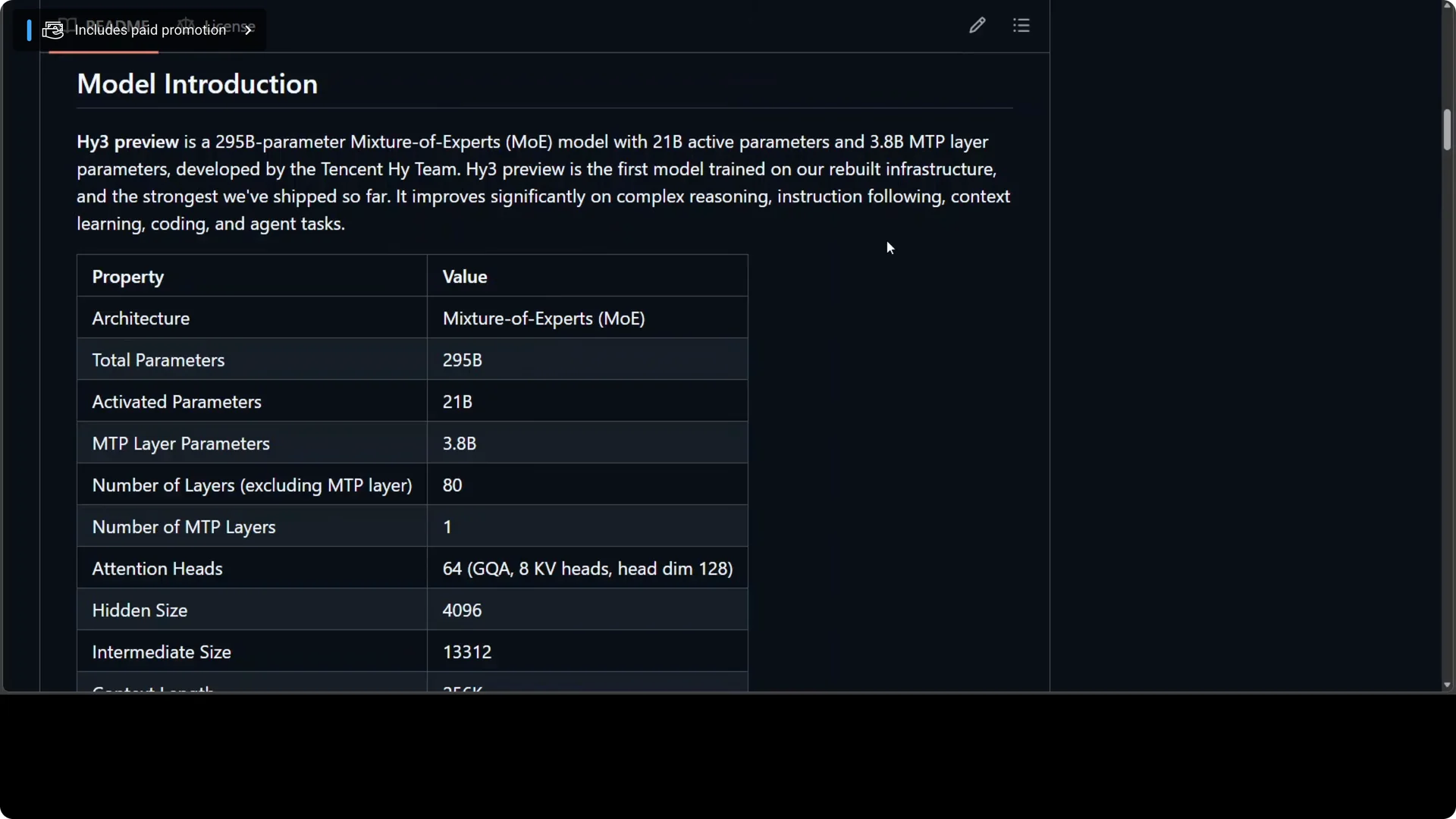
Tencent’s Hi 3 Preview is a 295 billion parameter Mixture of Experts model that only activates 21 billion parameters per token, supports a 256K context window, and offers a built-in reasoning mode you can dial up or down. In my hands-on tests, it built a fully self-contained interactive Langton’s ant HTML app, worked through a historical research assignment with credible sourcing and style, and handled long instruction chains well while remaining efficient at inference-time for an MoE of this size.
It is still not at the quality of Google or DeepMind in my view, but it is a clear improvement over Tencent’s prior releases. Multilingual output is strong for English, major European languages, and Chinese, and uneven for low resource languages like Hindi, Arabic, and Urdu. It is best suited to software engineering assistance, agent-style research, and long-document analysis where the 256K context and reasoning mode matter most.
For a focused hands-on log with prompts and notes, see our test notes on Hi 3 Preview.
What it is
Hi 3 Preview comes from Tencent’s Hi team and sits in the very large MoE class. The model’s routing means only a subset of experts fire per token, which makes it far more practical to run compared to dense models at the same headline size. The 256K context is long enough to ingest entire repositories or lengthy policy and research packets in one go.
The model exposes a reasoning mode you can increase for harder tasks. This setting trades speed for more deliberate planning and tool use. In practice, turning it up improved chain-of-thought planning and retrieval steps for complex research.
Benchmarks at a glance
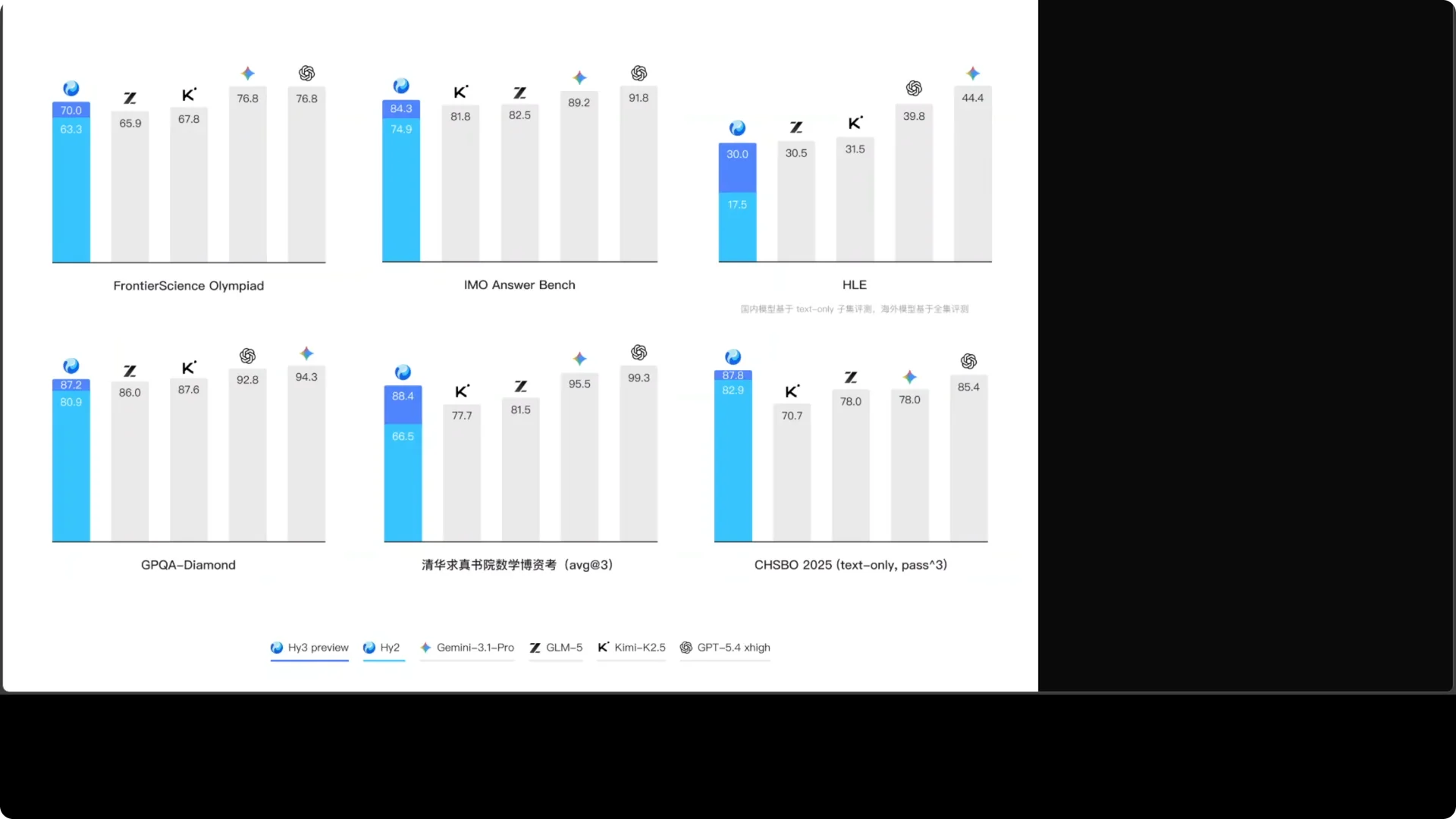
On paper, Hi 3 Preview holds its own against much larger models on some of the toughest public evaluations. The suite includes International Math Olympiad problems, Frontier Science questions, and a Chinese university PhD-level math qualifying exam. On coding and agent tasks, the scores land in a competitive band for real-world engineering benchmarks, with strong instruction following and long-document handling that matters in production.
Installation and access
I could not install it locally with a single GPU. It did not fit on 80 GB of VRAM, which tracks with the model’s sheer size even with MoE efficiencies in play. I recommend the hosted endpoint for practical work.
If you run into oddities like login loops or missing models in a hosted console, here are quick resources that may help. See this guide on troubleshooting login issues and models not appearing. There is also a second walkthrough for model selection disappearing and account setup friction.
Coding test: Langton’s ant, end to end
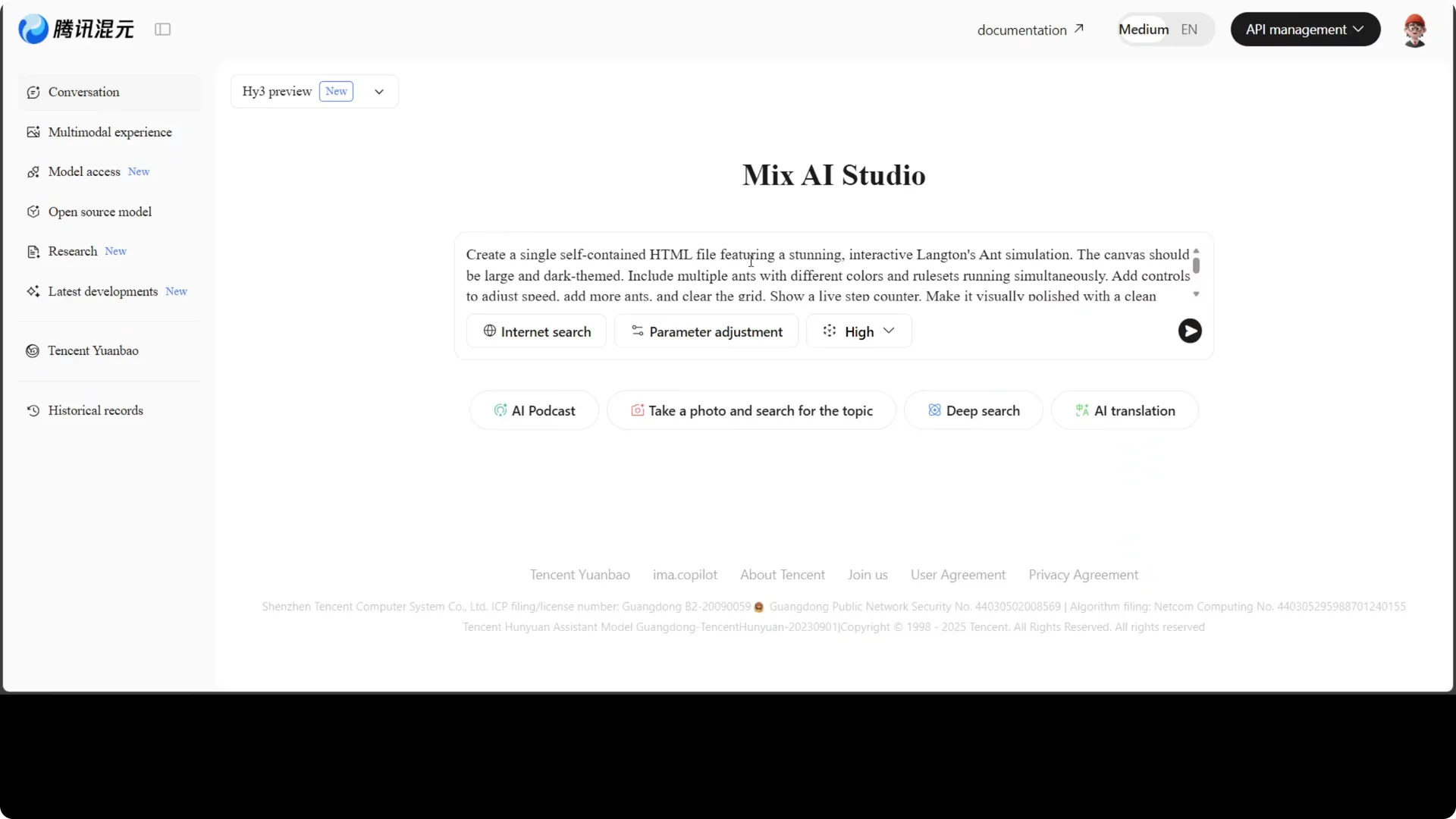
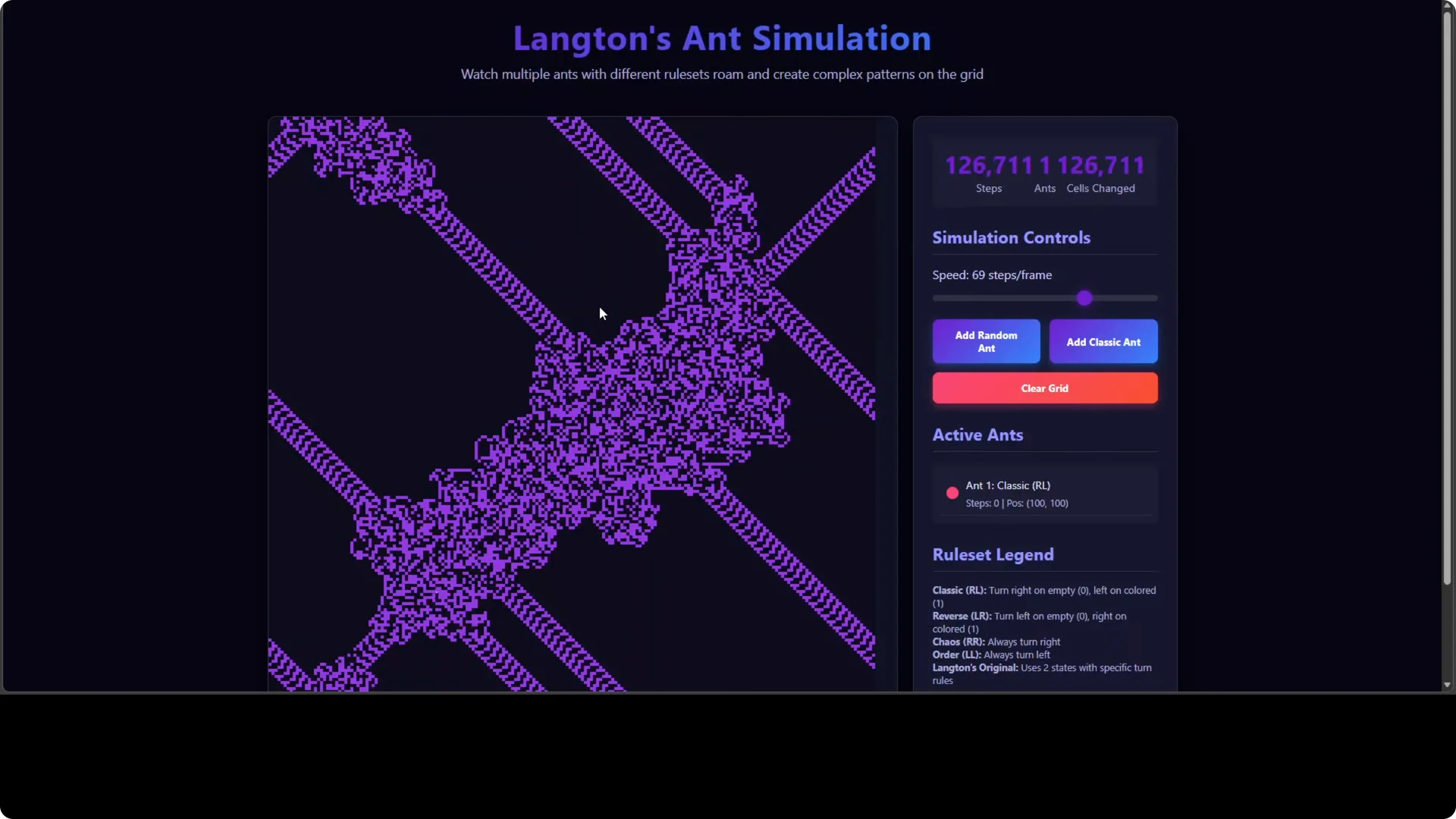
I asked Hi 3 Preview to create a single self-contained HTML file for a stunning interactive Langton’s ant simulation. The request covered multiple ants, controls, pure HTML and CSS, proper canvas handling, and a tidy UI with live stats. It generated the code, produced a synopsis, and the app ran as intended.
The UI came out clean and well-structured, controls worked, the speed slider and step counter updated live, and adding classic and random ants behaved correctly. Grid clearing worked, and rule legends plus state readouts were present. On review, the code included a get cell rule setup function that works as a lazy stub, ignoring which ant actually colored each cell.
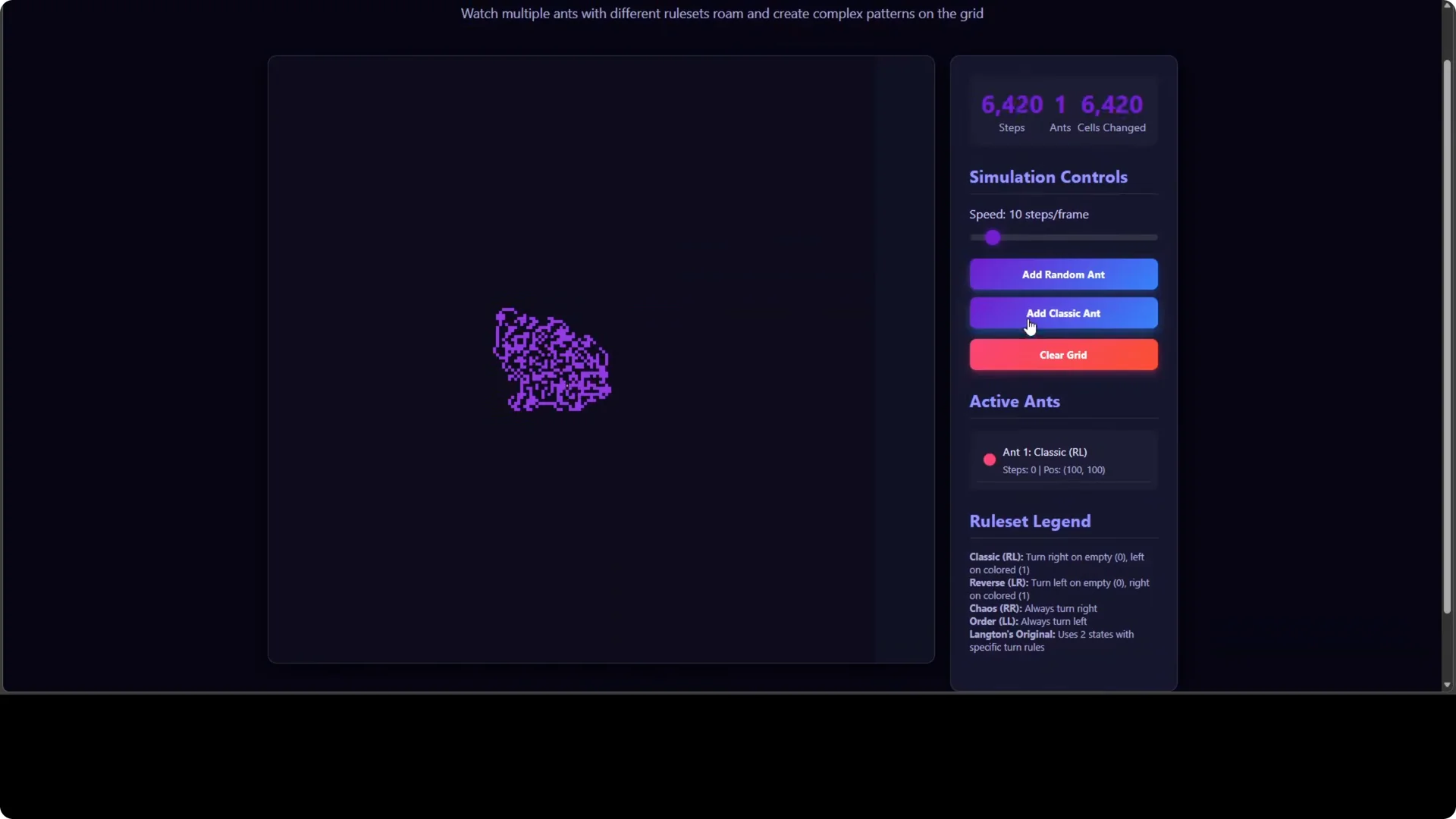
Overall it is a solid first shot that is visually impressive and functionally complete in one file. The omission around per-ant color attribution is fixable in a second pass. For rapid prototyping and teaching simulations, this is already useful.
Reproduce the coding test
Open the hosted interface and select Hi 3 Preview. Paste a prompt requesting a single self-contained HTML file with an interactive Langton’s ant simulation, multiple ants, canvas rendering, UI controls, live stats, and no external dependencies. Run the generation, open the file locally in a browser, and verify controls, counters, and multi-ant behavior.
Research agent test: tracing nutmeg from Banda to Granada
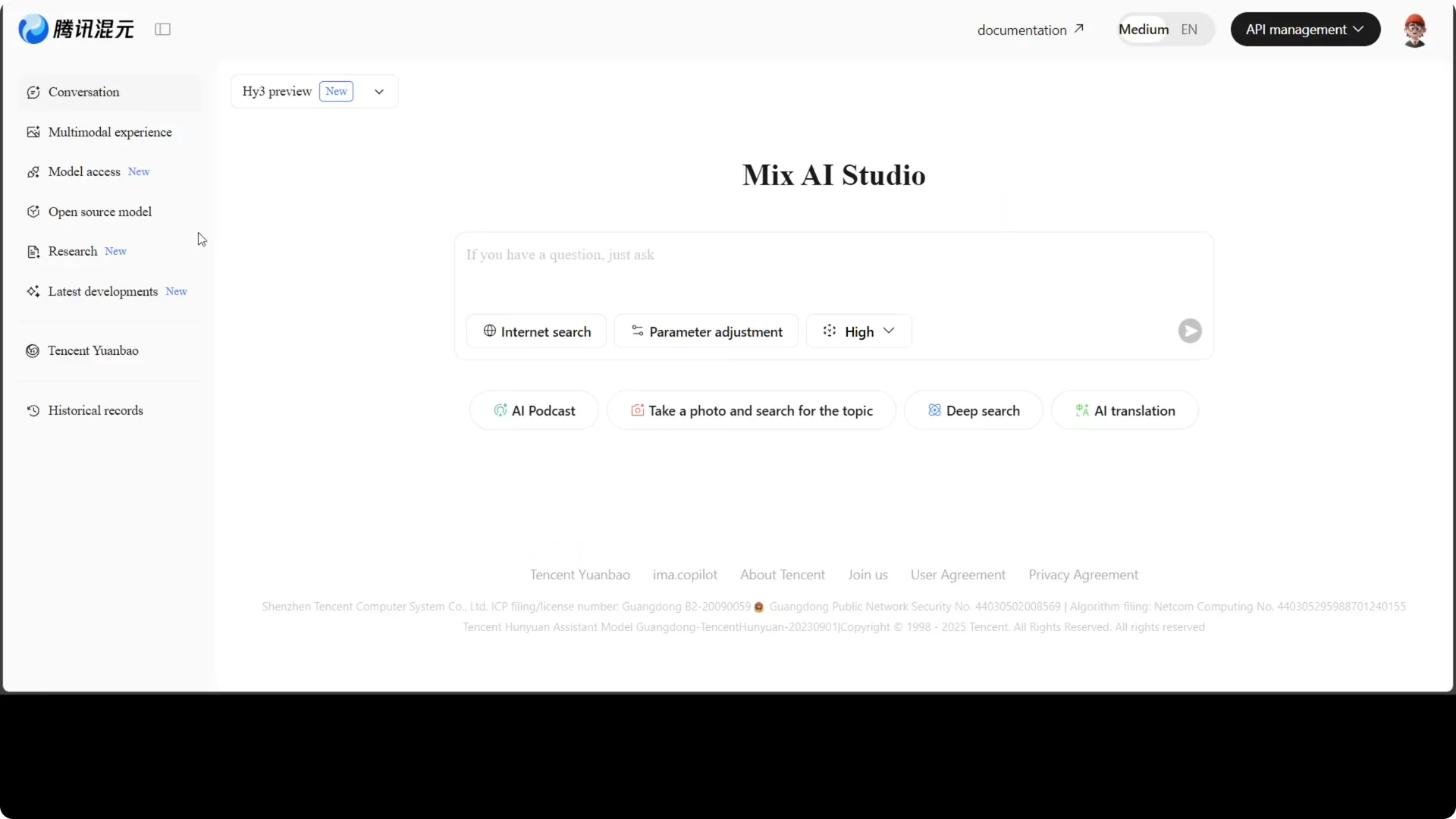
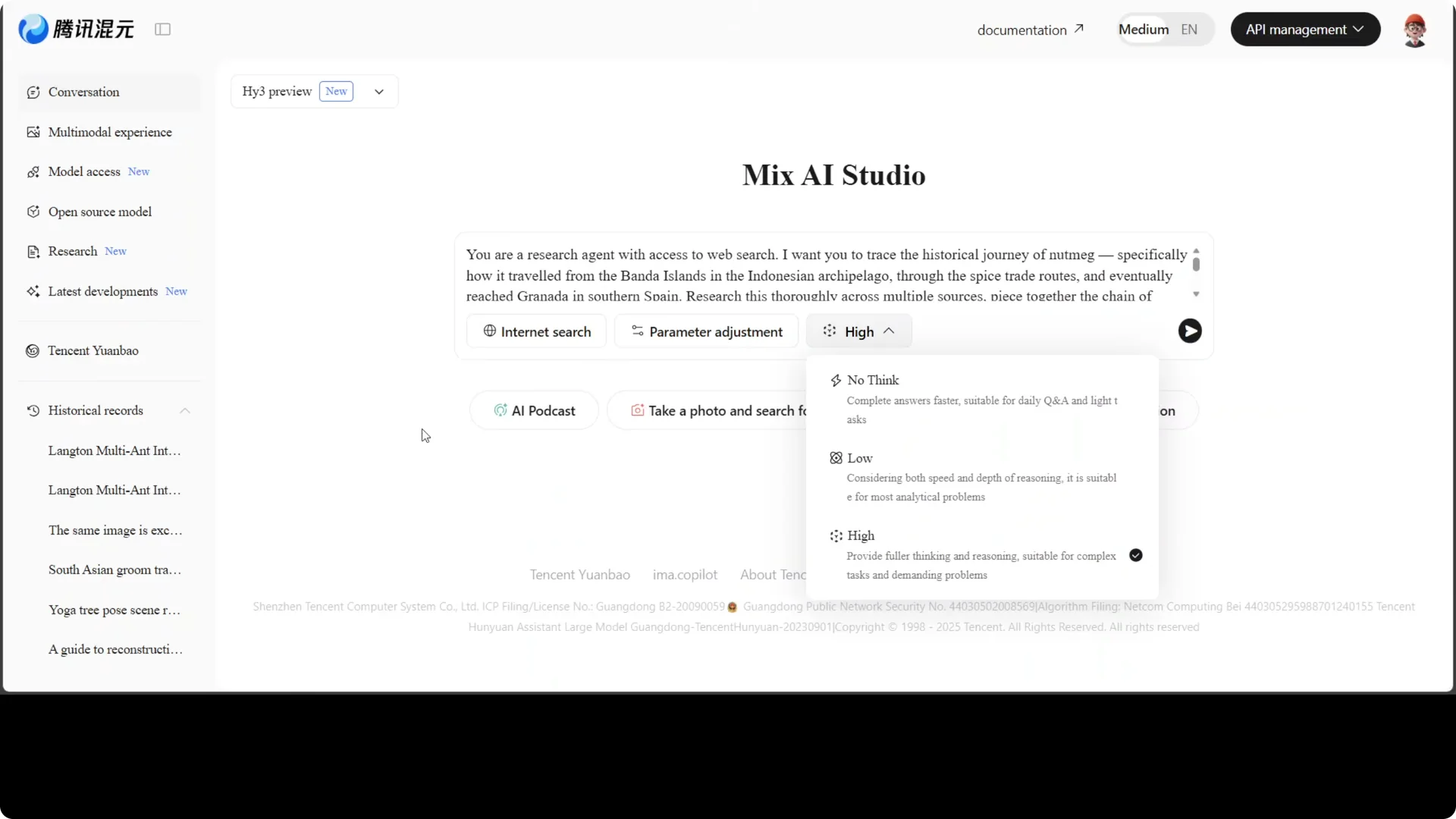
I set the model as a research agent, turned thinking to very high, enabled internet search, and asked for the historical journey of nutmeg from Banda Island in Indonesia to Granada in southern Spain. The prompt asked for traders, empires, sea routes, and a single compelling paragraph that captured distance, drama, and the hands it passed through. The system delayed before returning output, which may reflect back-end load balancing, but it produced a credible, well-sourced paragraph.
It nailed the chain without hallucinating shortcuts and wrote with style. I especially liked a line describing nutmeg as “a golden thread in a tapestry of greed, secrecy, and empire” tying the remote Pacific to Europe. With agent mode and tool use turned on, it showed its plan and the search steps before synthesizing the final paragraph.
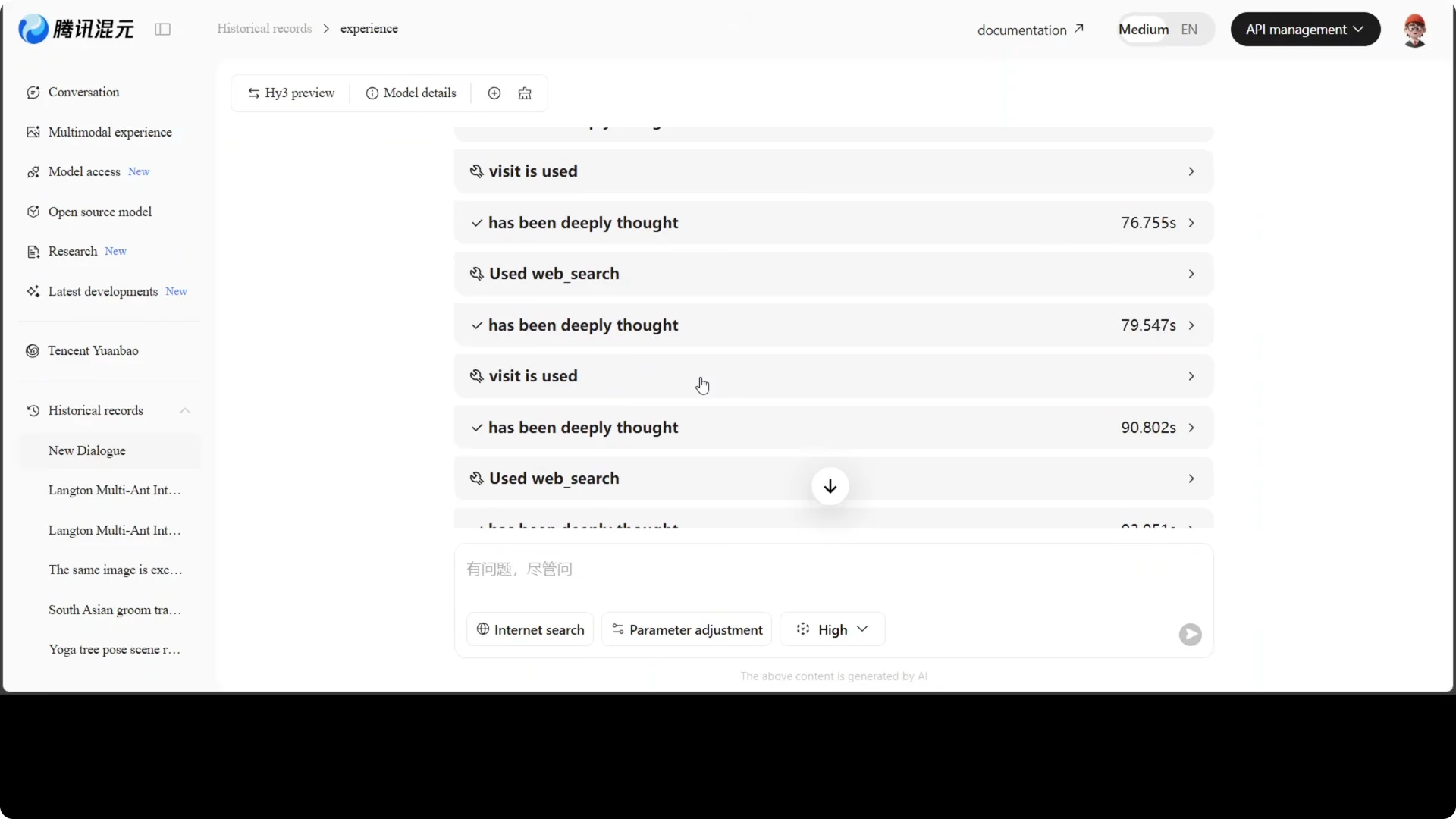
As brief context, nutmeg was once worth more than gold by weight, making the Banda Islands fiercely contested. Dutch forces massacred much of the indigenous population to control the trade, and the spice helped propel the age of exploration and early European finance, including the first stock exchange. The model’s paragraph matched this arc while keeping focus on the trade routes and power shifts that carried nutmeg to southern Spain.
Run your own research agent pass
Set Hi 3 Preview to high thinking and enable web search. Give a focused instruction that names locations, time spans, desired sources or actors, and the exact output format you want. Allow extra time for planning and retrieval, then check the tool trace to confirm the research trail aligns with the final synthesis.
Read More: Google Ai Pro Subscription Antigravity Quota
Read More: Google Ai Pro Antigravity Quota Lockout Error
Multilingual role play: Dutch tulip farmer
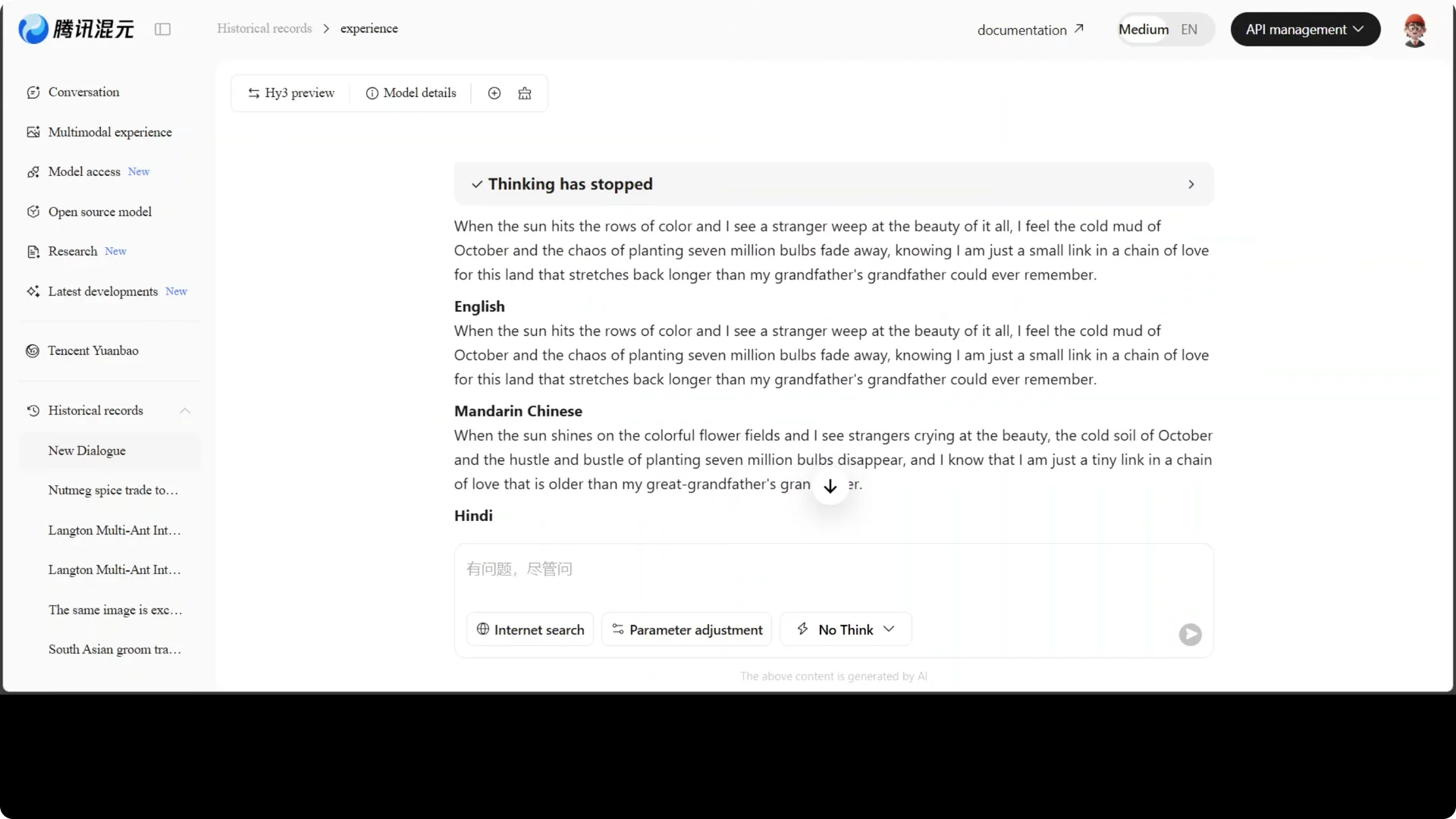
I tested a role play as a Dutch tulip farmer from Lisse near the Keukenhof gardens. The instruction asked for one warm personal paragraph addressed to someone who has never seen a tulip field, then I stress tested the same content across 76 languages. English and many European languages read naturally, and Chinese was good, but several low resource languages like Hindi, Arabic, and Urdu were too literal or awkward.
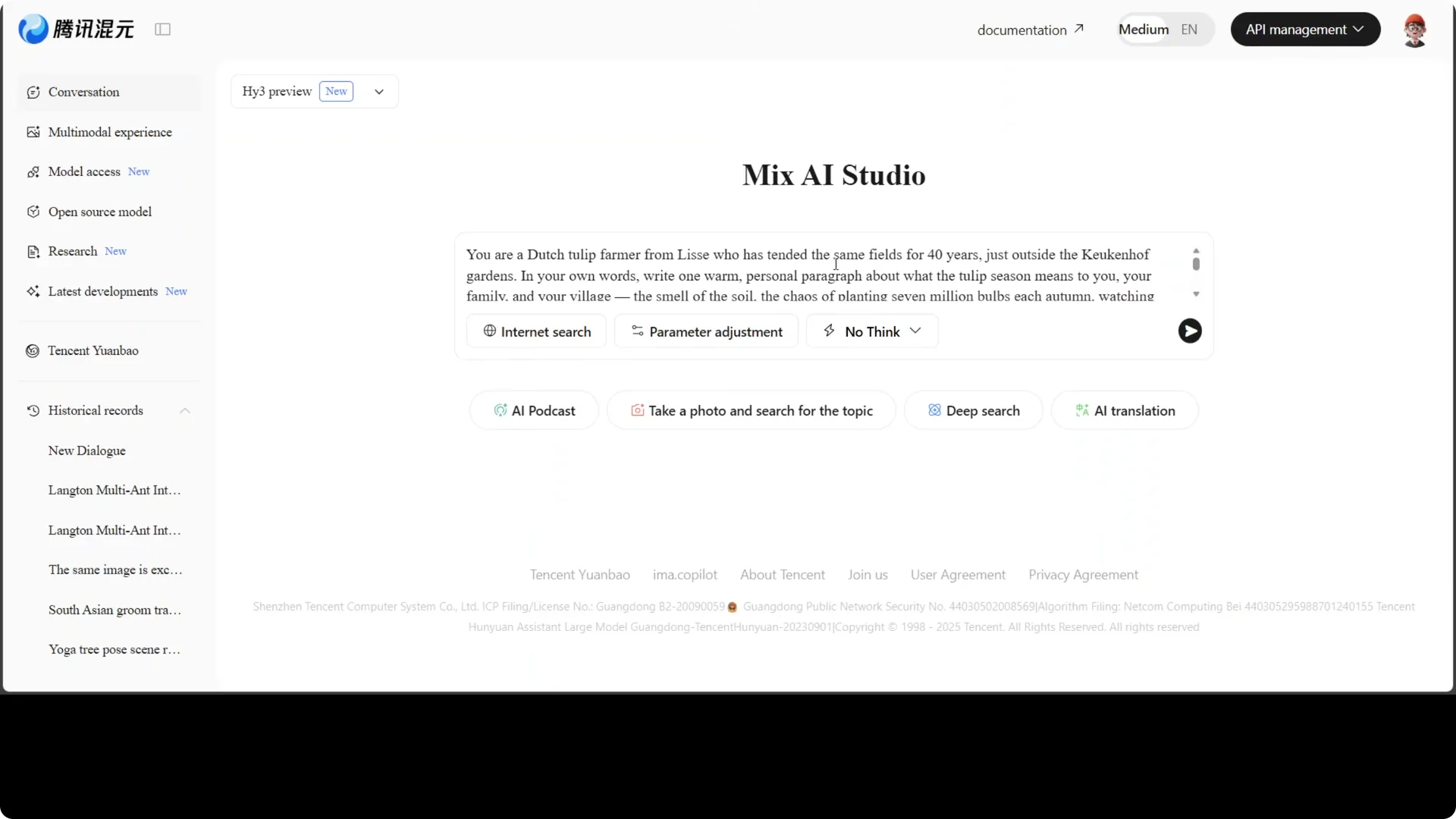
This matches my general experience with multilingual LLMs at scale: wide coverage with uneven polish past the major languages. For production, I would pass non-English outputs through a human editor in those weaker languages. For English, core EU languages, and Chinese, the quality is strong enough to ship with a quick review.
Practical use cases
The 256K context is ideal for whole-repository reads, dependency mapping, and architectural reviews in one session. I would use Hi 3 Preview for code generation, refactoring plans, API scaffolds, and integration tests where MoE efficiency and long context help keep reasoning grounded. It also fits long compliance, policy, and research bundles where retrieval and iterative critique improve outcomes.
Agent-style research with tool use works well for timeline reconstructions, literature overviews, and route or chain-of-custody narratives. For multilingual content, it is a good first-draft engine in English, core EU languages, and Chinese, followed by human polishing in weaker languages. For interactive front-end prototypes, one-pass self-contained HTML outputs are a strength.
Final thoughts
Hi 3 Preview is a huge model that feels practical thanks to MoE routing, a long context window, and an adjustable reasoning mode. It is not earth shattering, but it is a meaningful step up for Tencent, with clear wins in coding, agent workflows, and long-document tasks. Watch for multilingual gaps, occasional hosted delays, and the sheer memory footprint if you aim to run it yourself.