
Tencent’s Hi3 Preview is a 295 billion parameter mixture-of-experts model that activates only 21 billion parameters per token, giving you the reasoning depth of a huge model at a fraction of the compute. It supports a 256K context window, includes a dialable reasoning mode, and is the first release from Tencent’s completely rebuilt pre-training and reinforcement learning stack, with weights available publicly. In testing across complex code generation, long-form research, and high-stakes operations planning, it delivered outputs that feel like genuine synthesis, not just retrieval.
The headline: Hi3 Preview produces working, physics-accurate WebGL simulations from a single prompt, writes a vivid end-to-end narrative of a lithium battery supply chain with names, numbers, and coordinates, and delivers a forensically sequenced hour-by-hour crisis plan for a founder under pressure. It is open sourced on major hubs and accessible through popular routing platforms with a free access window at the time of testing.
Model overview
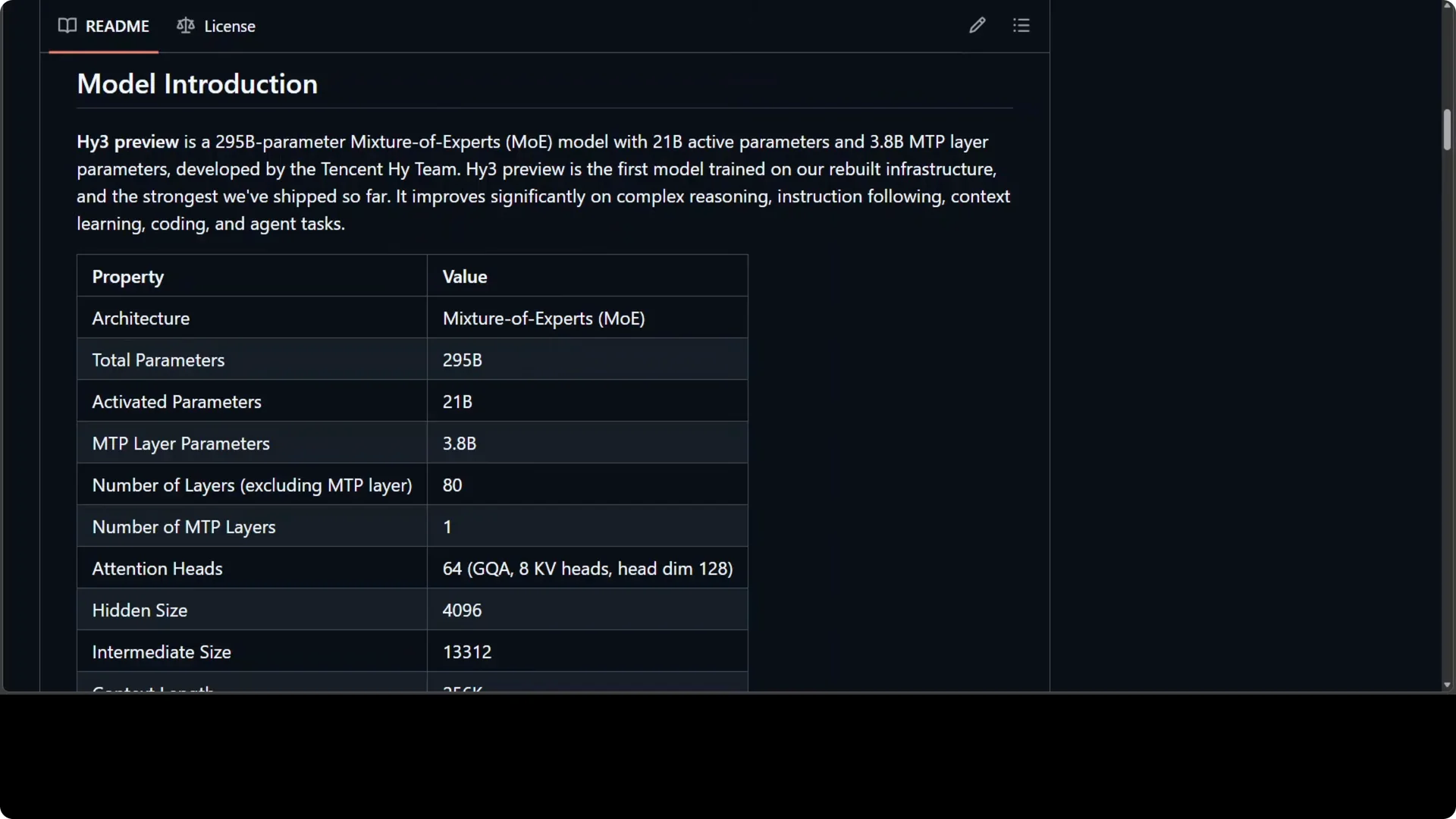
Tencent went dark, tore down its stack, and rebuilt training and RL infrastructure from the ground up. On April 23, they returned with Hi3 Preview and called it the most intelligent model they have released. They are not claiming incremental improvement, they are claiming a new foundation.
Hi3 Preview is a mixture-of-experts model with 295B total parameters but only 21B active at runtime. You get big-model reasoning without big-model cost. It supports a 256K context window and a built-in reasoning mode you can dial up or down.
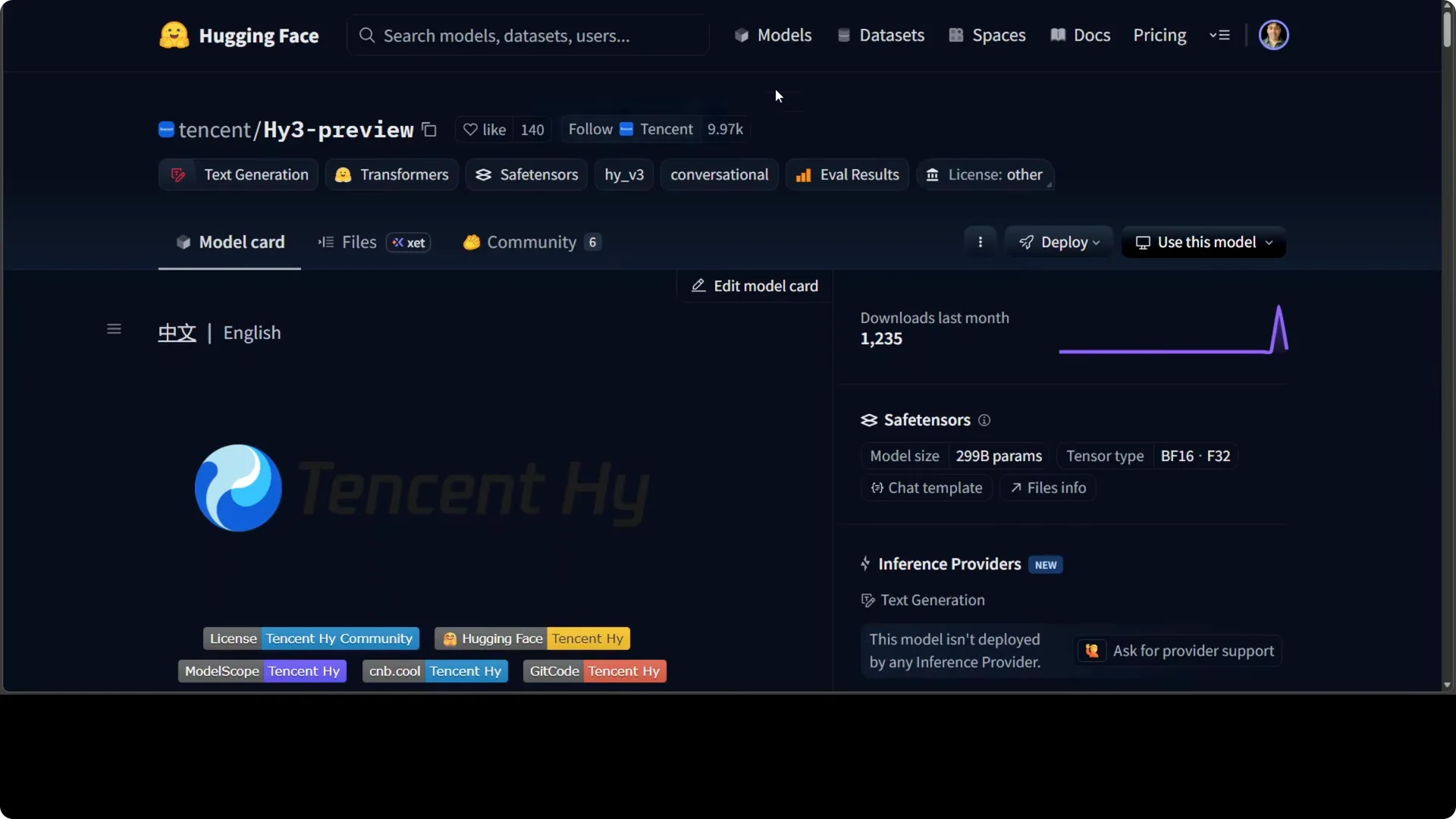
Weights are available on Hugging Face and ModelScope with multiple mirrors. Access through common routers is straightforward with no waitlist or API gymnastics during the current window.
For teams coordinating code and research tasks around a model like this, see a focused approach to multi-step developer workflows in this guide to managing coding tasks with a desktop AI.
Architecture and training
Mixture-of-experts means the model routes tokens to a subset of specialists instead of waking the entire network. The result is high reasoning density while keeping inference cost in check. Tencent rebuilt pre-training and RL pipelines to support this routing at scale and tuned the model to sustain long, coherent chains of thought across 256K tokens.
They explicitly moved away from leaderboard theater and tuned against hard, business-grounded scenarios. The focus was instruction following, in-context learning, science reasoning, math, and software engineering under realistic constraints.
Coding stress test
I asked Hi3 to produce a self-contained HTML file that builds a visually stunning reaction diffusion simulation with WebGL. This is a task that normally demands careful JavaScript, solid HTML, canvas or WebGL rendering, and correct numerical methods. It generated the code in one shot and the output ran locally.
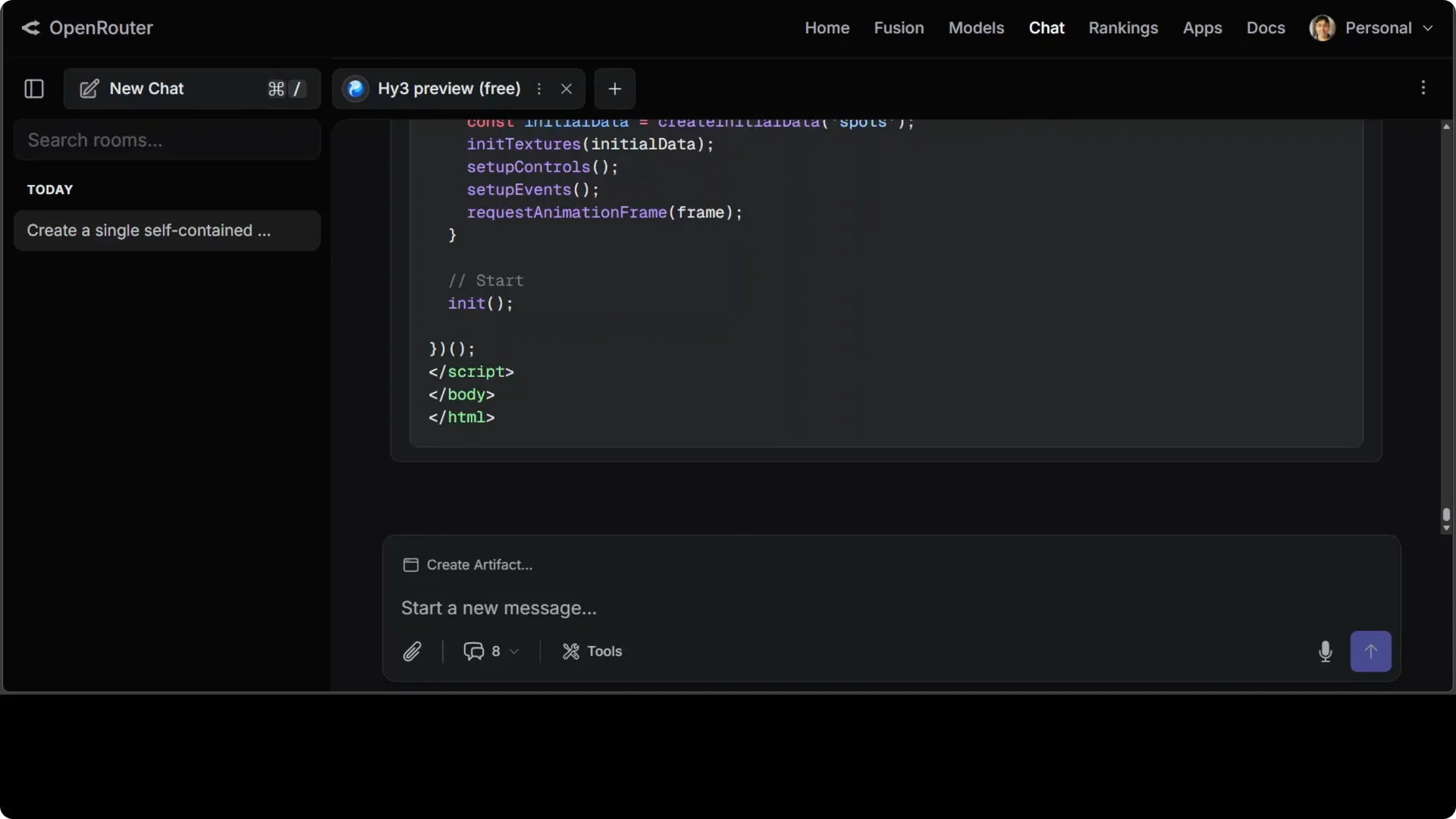
It is not just writing code. It is writing physics. The simulation captured the mathematics of how two chemicals interact and self-organize into patterns found in living organisms. Adjusting feed rate, kill rate, and diffusion produced expected regimes like zebra and coral, with real-time, polished interactivity.

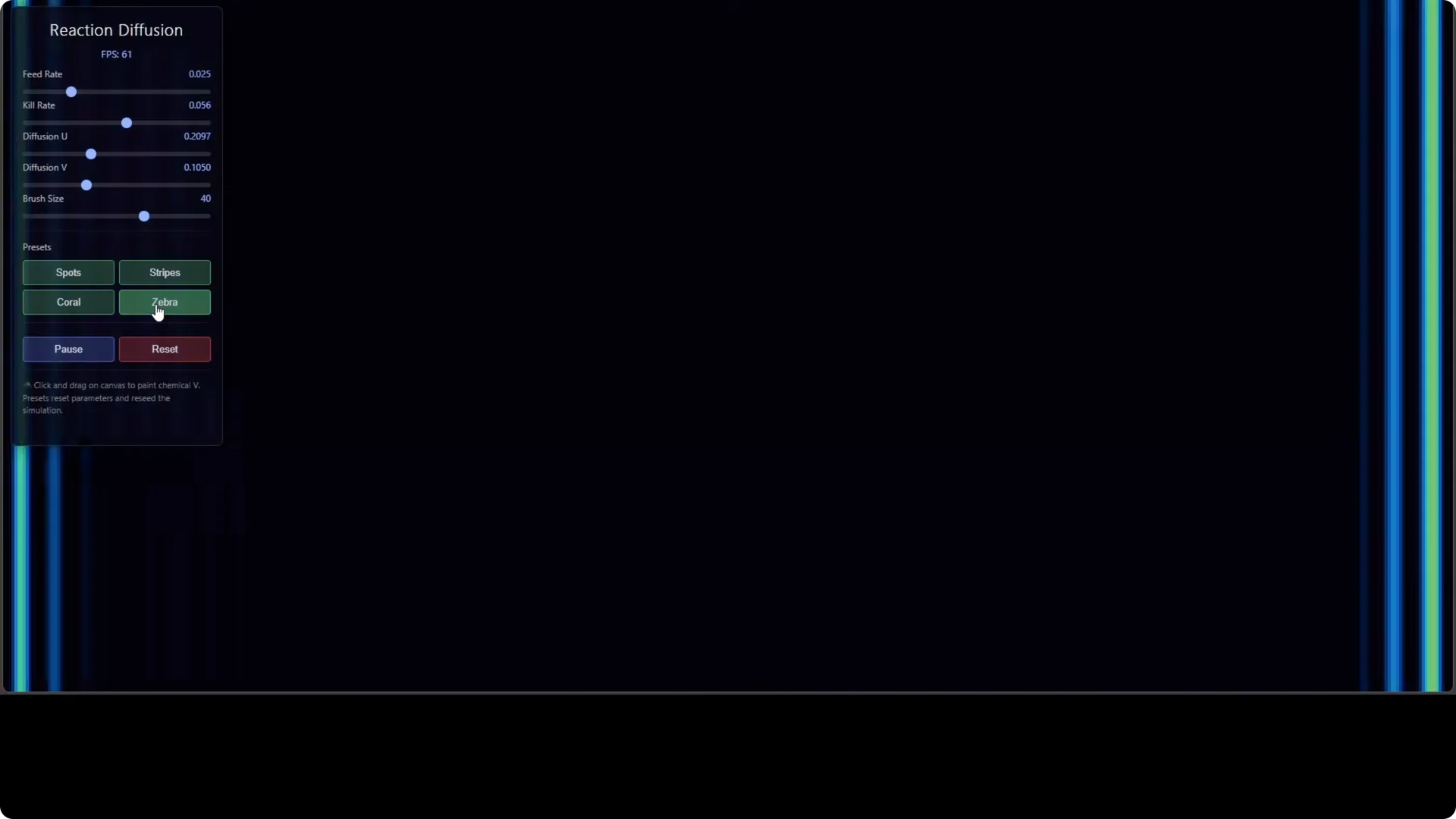
Building this from a single prompt is like asking someone to architect a real-time rendering engine and a scientific simulation with an interactive UI. It handled the entire pipeline end to end with zero handholding. That level of competency generalizes to real software engineering tasks.
If you prefer to keep experimentation on your machine, you can run a local AI assistant and pair it with browser-based visualizations for tight feedback loops.
Research agent test
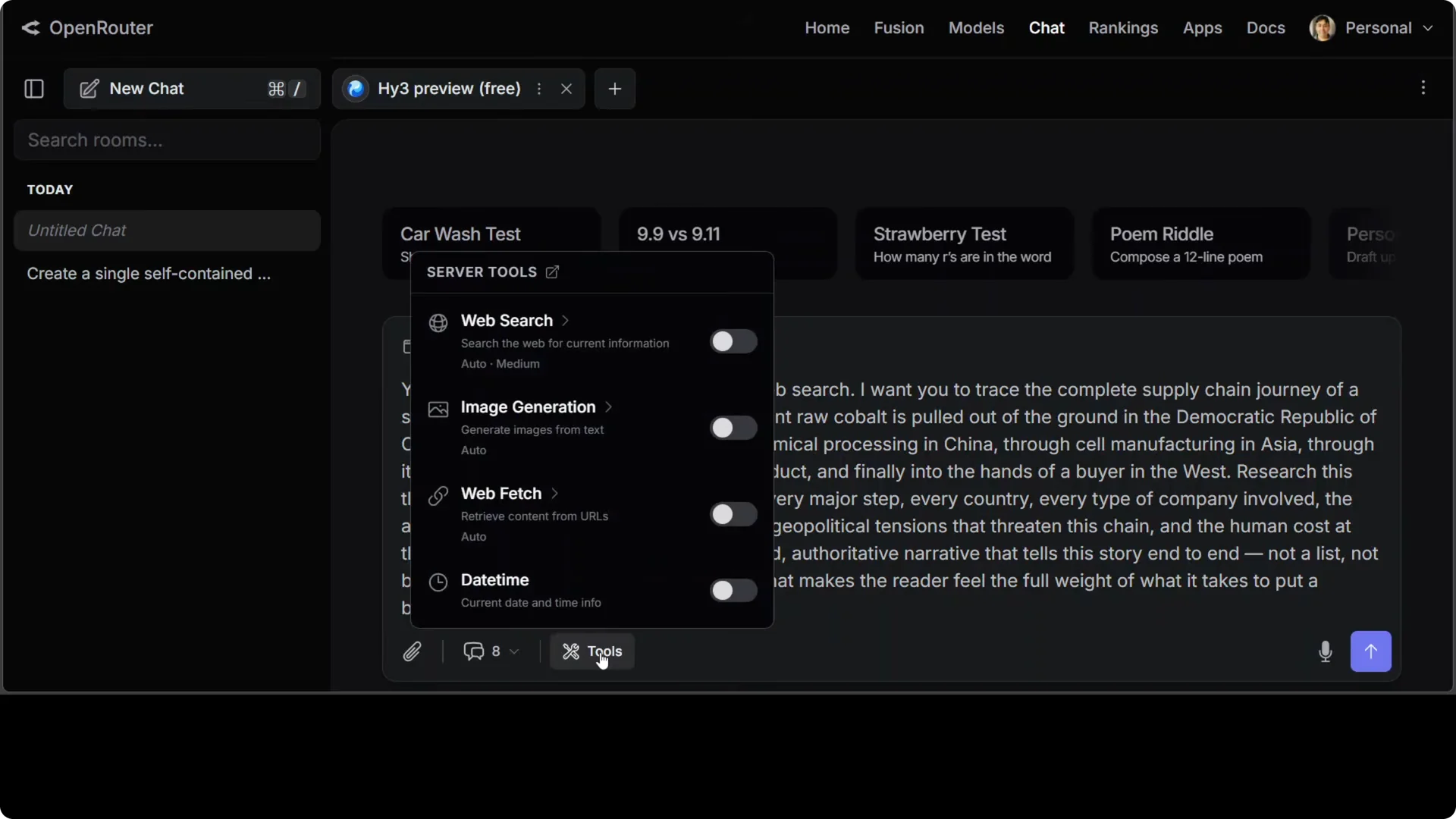
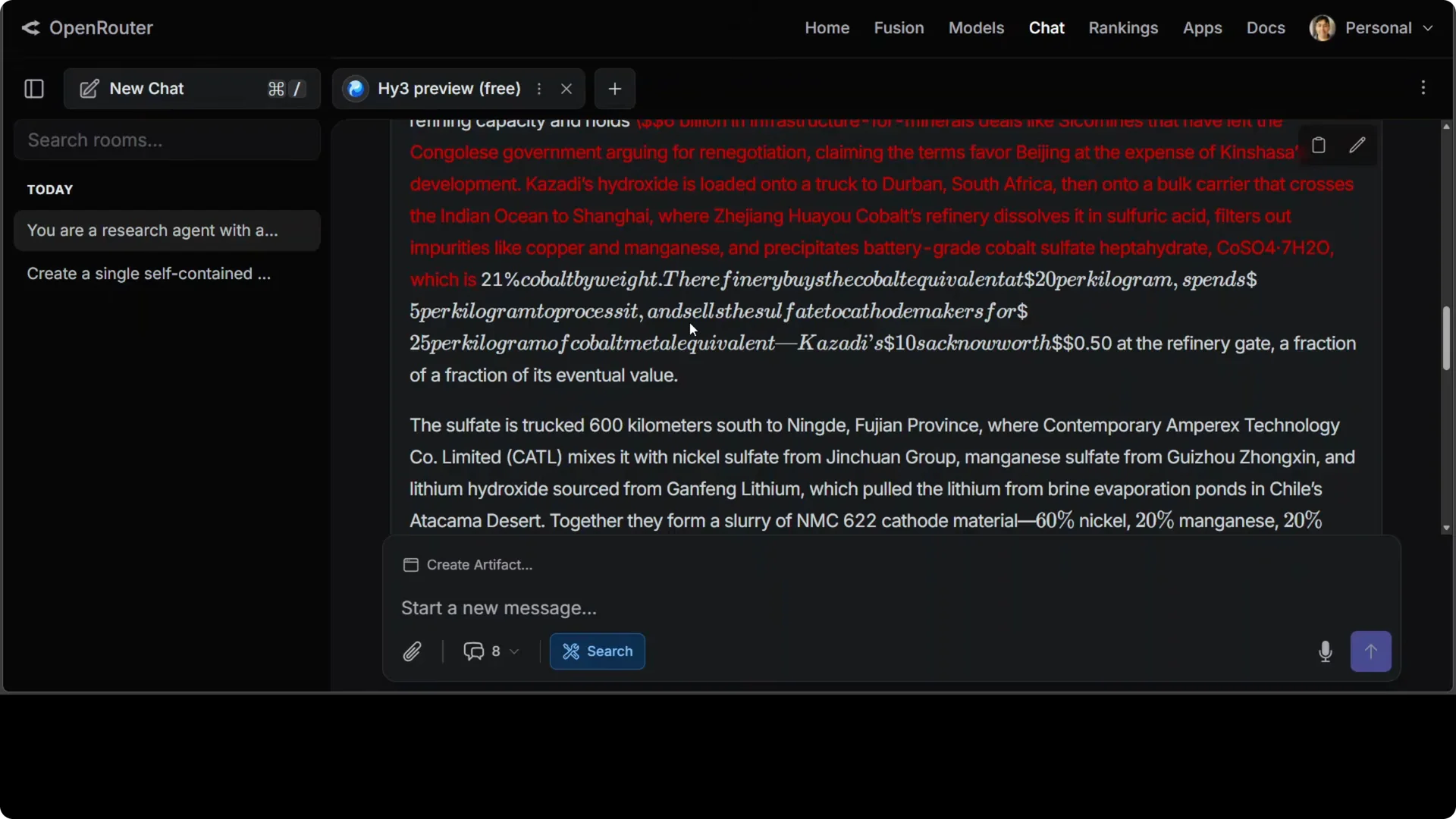
I switched on web access tools and asked the model to act as a research agent. The prompt: trace a single lithium battery cell from cobalt pulled in the Democratic Republic of Congo, through chemical refinement in China, through cell manufacturing in Asia, and narrate the full journey end to end in prose. No bullet points.
The output did not read like a Wikipedia remix. It humanized both ends of the chain with specific names, numbers, and GPS coordinates, and stitched cobalt percentages, compound names, dollar values, and legislation references into one coherent narrative. The prose felt like understanding, not just listing.
Read More: How to handle quota and rate limits during heavy research runs
Crisis operations test
The final prompt tested escape-from-impossible-situation reasoning. The model is a solo founder of an 8-month-old SaaS with 47 paying customers at 49 dollars per month. The co-founder quit that morning and took codebase access credentials, three top customers reported slowness, AWS for the month was around 4,200 dollars, and there was an imminent VC meeting.
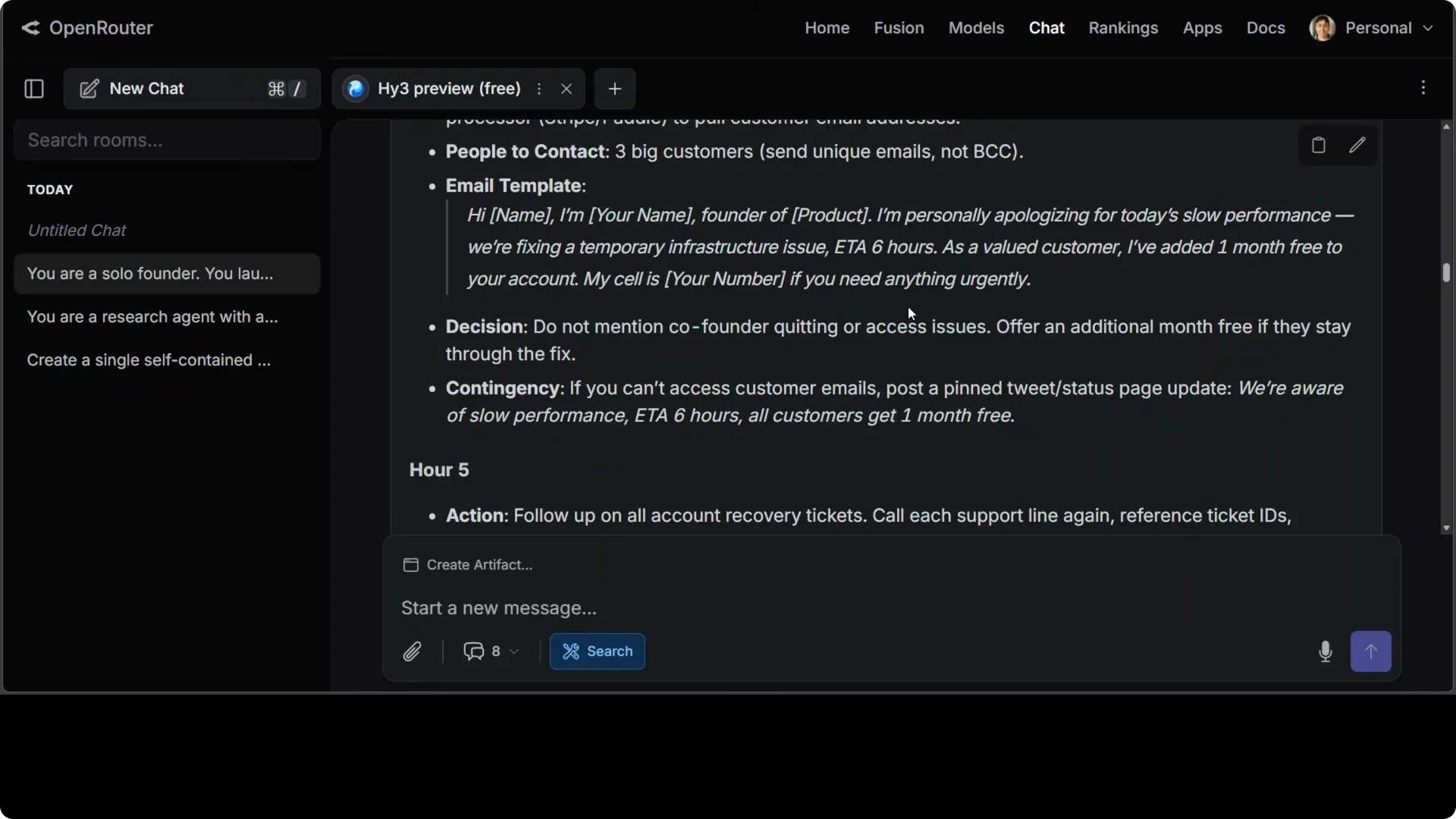
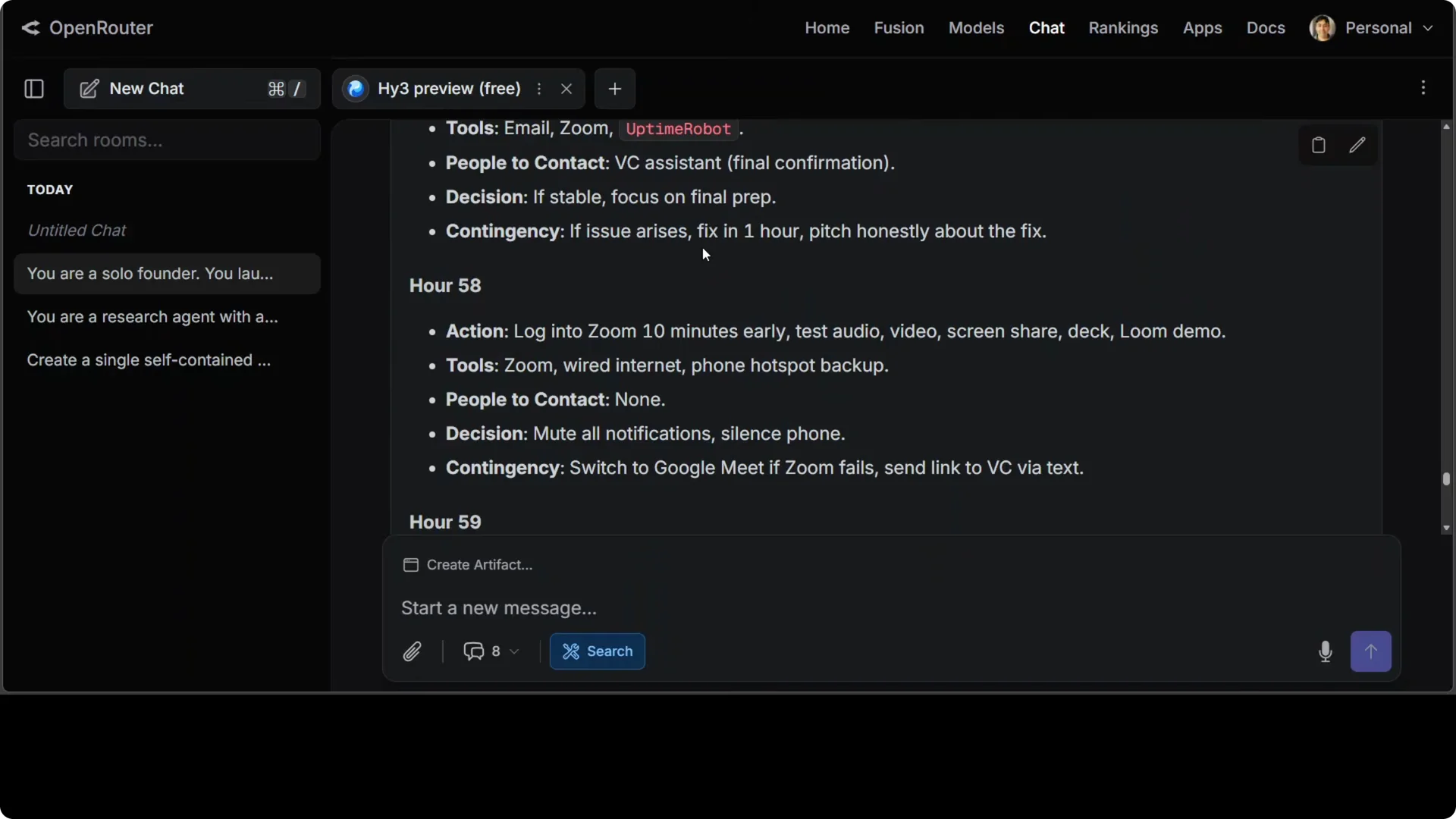
The instruction was brutal: produce a complete hour-by-hour action plan for the next 72 hours with specific tools, specific people to contact, and specific decisions to make, optimized for someone exhausted and alone. The response was not a generic startup advice list. It read like a survival manual with proper legal framing under CFAA, concrete vendor paths, and a cash flow analysis that correctly flagged the founder was burning about 1.8x MRR on AWS before fixing the product.
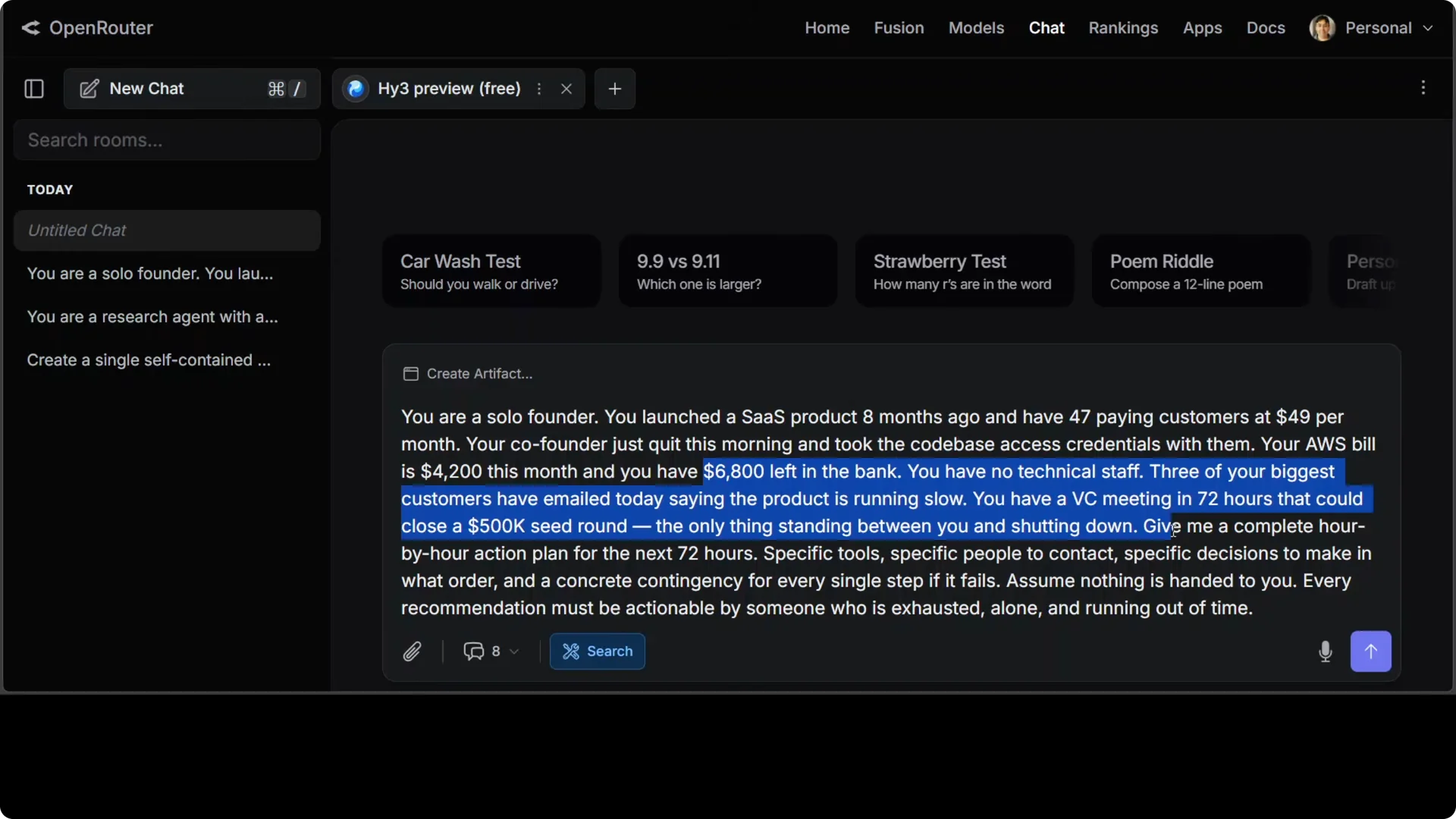
What separates it is sequencing. It prioritized regaining system access before fixing performance, stabilizing production before prepping the pitch, and sleeping before the meeting. Every single step had a fallback, which shows the model was reasoning about failure modes, not assuming happy paths.
Read More: Ways to triage recurring quota blocks during crisis windows
The final escape hatch was explicit: if all else fails, sell the customer list on MicroAcquire, recover around 10k, and preserve the 4k cash reserve. That shows the plan looked beyond the VC meeting to near-term survival.
Benchmarks
Hi3 Preview holds its own against larger models on hard benchmarks like International Math Olympiad style problems, frontier science, and real-world software engineering. Instruction following and in-context learning scores are strong. Tencent steered away from easy-to-game leaderboards and built tests from real business scenarios.
The simple summary: a 295B parameter MoE that costs you 21B at runtime and hits well above its weight. The measured thinking shows up clearly in long-form, high-precision tasks.
Access and setup
You can access the model through common routing platforms during the current free window, with no waitlist or complicated API setup. The weights are on major model hubs for self-hosting and research. This makes replication, audit, and integration far easier than closed-only releases.
If you run into usage ceilings or sudden blocks while experimenting or calling APIs, see this troubleshooting note on critical quota errors for mitigation tactics and safety valves.
Quick workflow to test reasoning
Start with a single-document, self-contained project prompt that forces the model to plan, implement, and verify within one file. Ask for a WebGL or canvas-based visualization that exposes parameters like feed and kill rates and simple presets like zebra and coral. Request minimal external dependencies and ask it to explain numerical stability choices.
For research, give it a trace request that spans extraction, refinement, manufacturing, logistics, regulation, and pricing. Instruct it to produce a continuous narrative with specific names, quantities, coordinates, and legislative references. Require citations or at least source descriptions for every hard number.
For operations planning, set time pressure, financial constraints, legal constraints, and missing access keys. Demand an hour-by-hour plan with decision gates, rollbacks, and fallbacks. Require a final section that preserves cash and protects customers if recovery stalls.
Use cases
Product and engineering teams can push multi-module system design, complex migrations, and performance profiling with stepwise plans that include instrumentation and rollback. Analysts can commission long narrative briefs that pull in technical, regulatory, and economic data into one cohesive story. Founders can simulate outage drills, credential-loss recovery, and investor prep with decision trees that reflect real-world failure modes.
Security and compliance leaders can test response sequencing for legal exposure, credential rotation, and vendor notifications. Educators can set lab assignments for pattern-formation simulations, prompting code and explanation in tandem. Researchers can pilot long-context syntheses over 200K tokens for literature reviews and method validation.
Read More: Practical ways to structure multi-step coding tasks with a desktop AI
Final thoughts
Hi3 Preview looks and feels serious. It writes working simulations, composes human-grade long-form research, and plans crisis operations with correct sequencing and realistic fallbacks. A big-model brain at a small-model runtime cost is the practical win here.