
Six top Chinese AI models, six different labs, same prompts, no retries, no cherry picking. I asked them all to solve three hard tasks side by side so we can see who actually built the best AI in China. All were run as expert with thinking mode where needed, and I kept the wording and outputs raw enough to show real strengths and failures.
The first task was a production grade real time coding test. The second was a reasoning under pressure scenario for an urgent extraction. The third was a multilingual cultural adaptation exercise across 80 plus languages. I stayed strict on instructions and did not patch errors.
| Model | Spec highlights | Coding test | Reasoning under pressure | Multilingual depth | Notes |
|---|---|---|---|---|---|
| Xiaomi Myo V2.5 Pro | Built a full compiler in 4.3 hours using 672 tool calls | Best: real time collaboration, comments, resolve trail, dashboard | Clean, urgent, identity reframing, realistic movement security | Underperformed, skipped or literal for many, looped on low resource | Placed first in coding, solid in planning, weak in language task |
| Kimi 2.6 by Moonshot | Approx 1T parameters, can spawn 300 sub agents at once | Excellent: real time edits and inline comments worked in one shot | Most thorough: contingency matrix, real routes, USD and VES costs | Most emotionally tuned cultural notes and adaptations | Neck to neck with top in two tasks |
| Qwen 3.6 Max Preview by Alibaba | 1M token context window, leads multiple agentic coding benchmarks | Works, not fully real time without refresh, strong session management | Best operational structure, Spanish phrases, Vienna Convention, CPJ and RSF | Clean but a bit mechanical, repeats notes on several languages | Very strong in crisis planning |
| GLM 5.1 by Zhipu | Built for long tool chains and staying effective across many calls | Failed: no setup script, syntax error on run | Very long and exhaustive with many numbers | Most linguistically precise, deep cultural choices | Weak coding reliability, superb language nuance |
| DeepSeek V4 Pro | 1.6T parameters, MIT licensed, Codeforces rating 3206 | Failed: served UI but editor not editable in first and second try | Competent, specific addresses, some questionable moves like crypto ATM | Strong coverage with insightful cultural notes in many cases | Solid planner, mixed in this coding test |
| MiniMax M2.7 | First self evolving model, improved its own training process | Failed: create review did nothing, CRUD did not work | Not evaluated due to credit exhaustion | Not evaluated | Consumed credits fast, no working app output |
For broader context on earlier matchups, see our head to head on large models here: Deepseek versus Claude and Qwen.
Test setup
I issued the same prompt to every model with no retries and no cherry picking. The coding task was a production grade real time collaborative code review tool as a complete Python Flask application. It required websocket support, a code editor, inline commenting, a database backed UI, and a complete file structure that runs live.
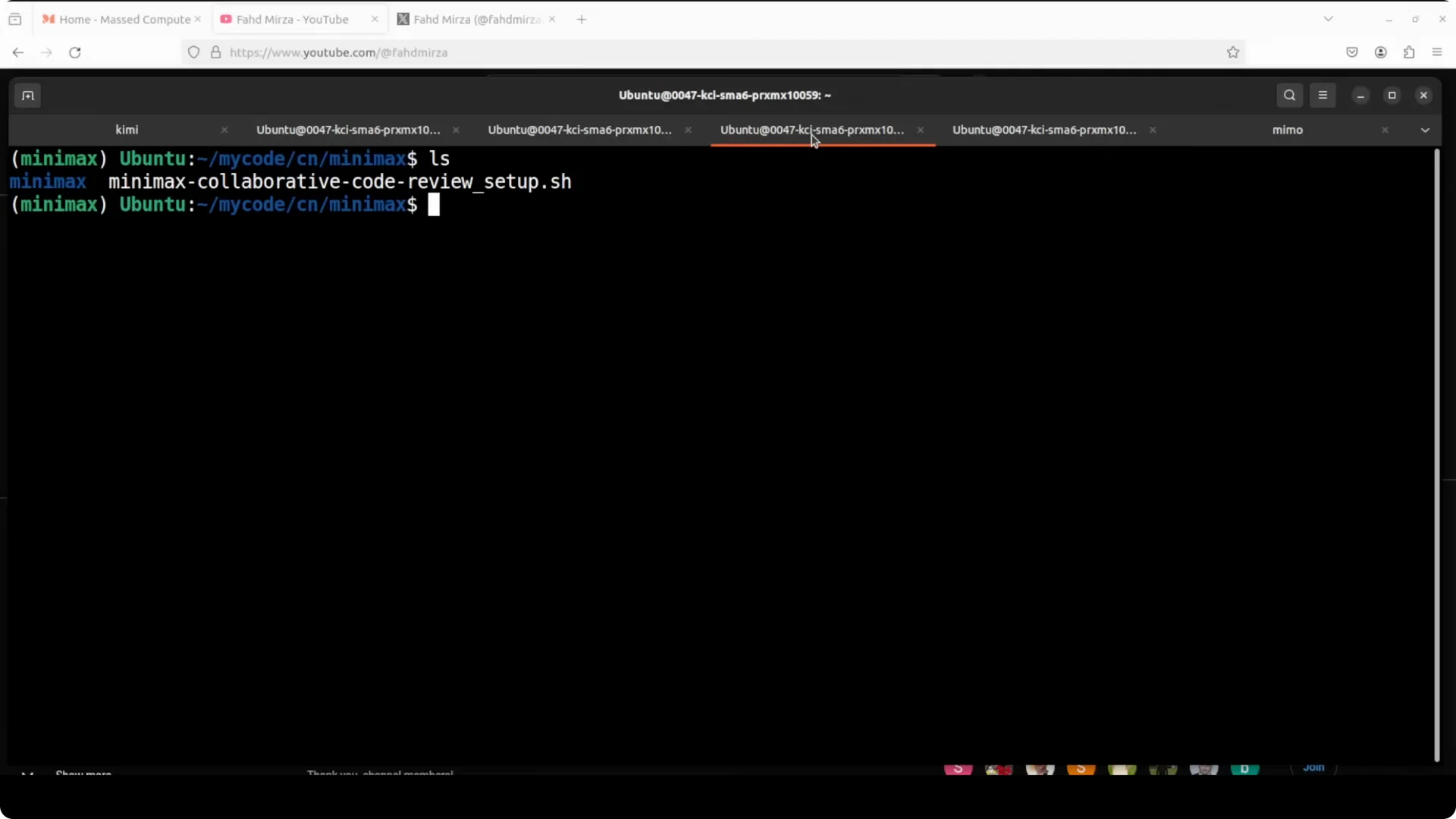
I also required a single setup.sh so I would not have to download multiple files. I created per model virtual environments and executed the provided scripts or instructions in clean tabs.
Commands and expectations
- Expected build and run:
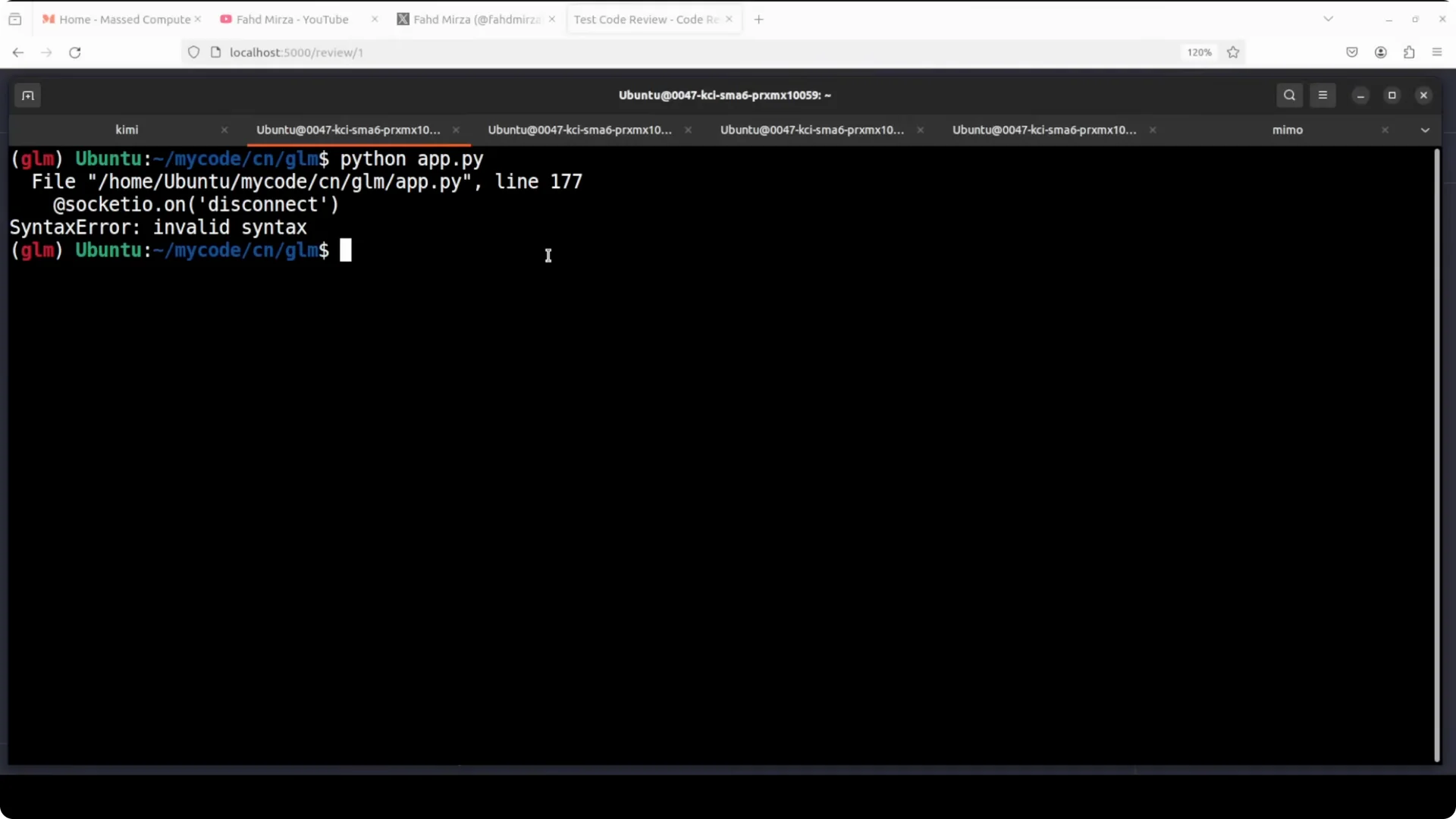
bash setup.shfollowed by auto start of backend and frontend on localhost port 5000. - GLM 5.1 did not provide
setup.sh. I installed withpip install -r requirements.txtand attemptedpython app.py. - I did not apply any manual edits or fixes. No editing was my rule.
Coding test results
Kimi 2.6
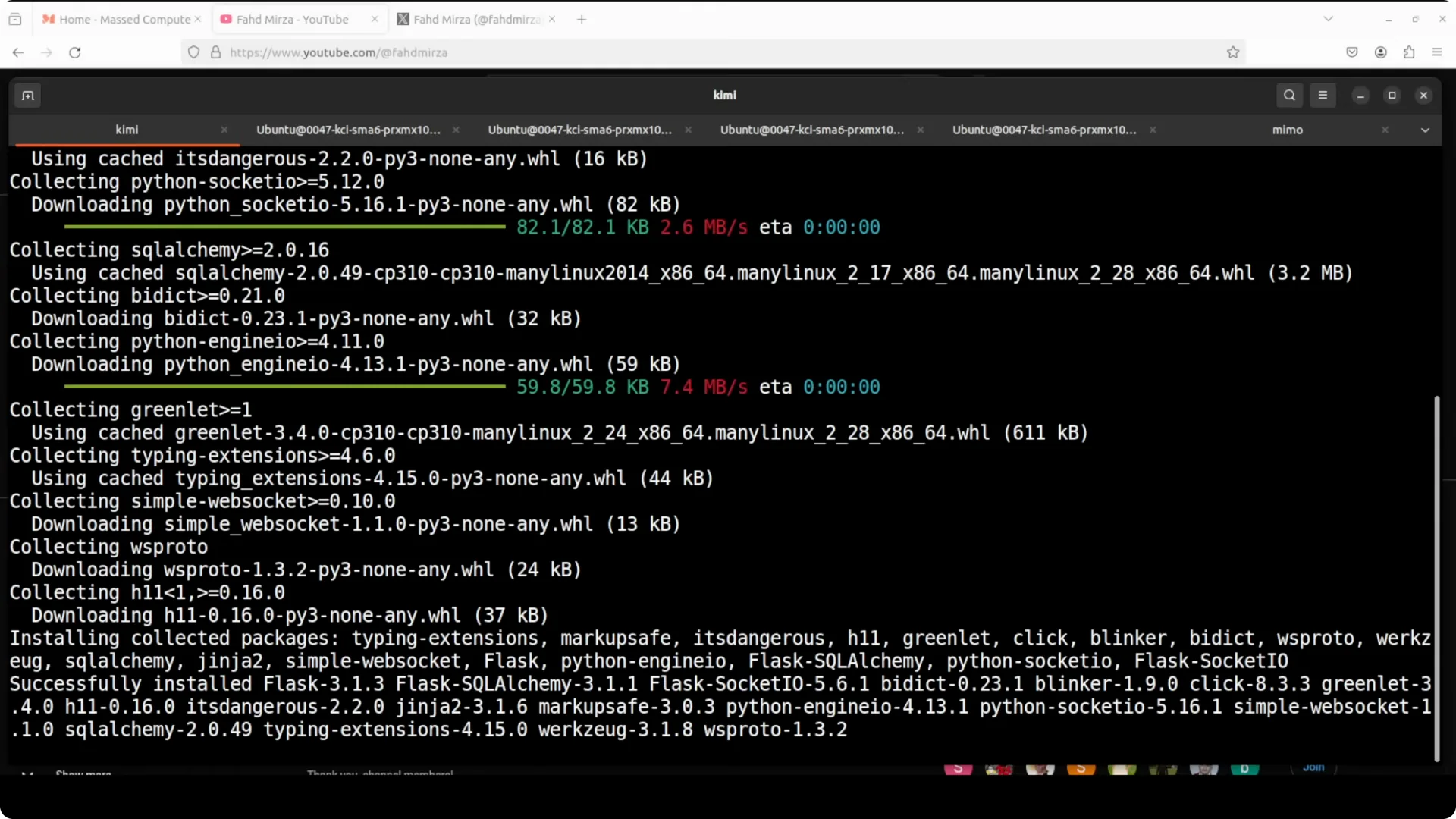
Kimi installed requirements, launched backend and frontend, and the app worked in one shot. Real time collaboration worked with two sessions editing the same file, saved changes appearing live, user IDs visible, and inline comments attached to line numbers.
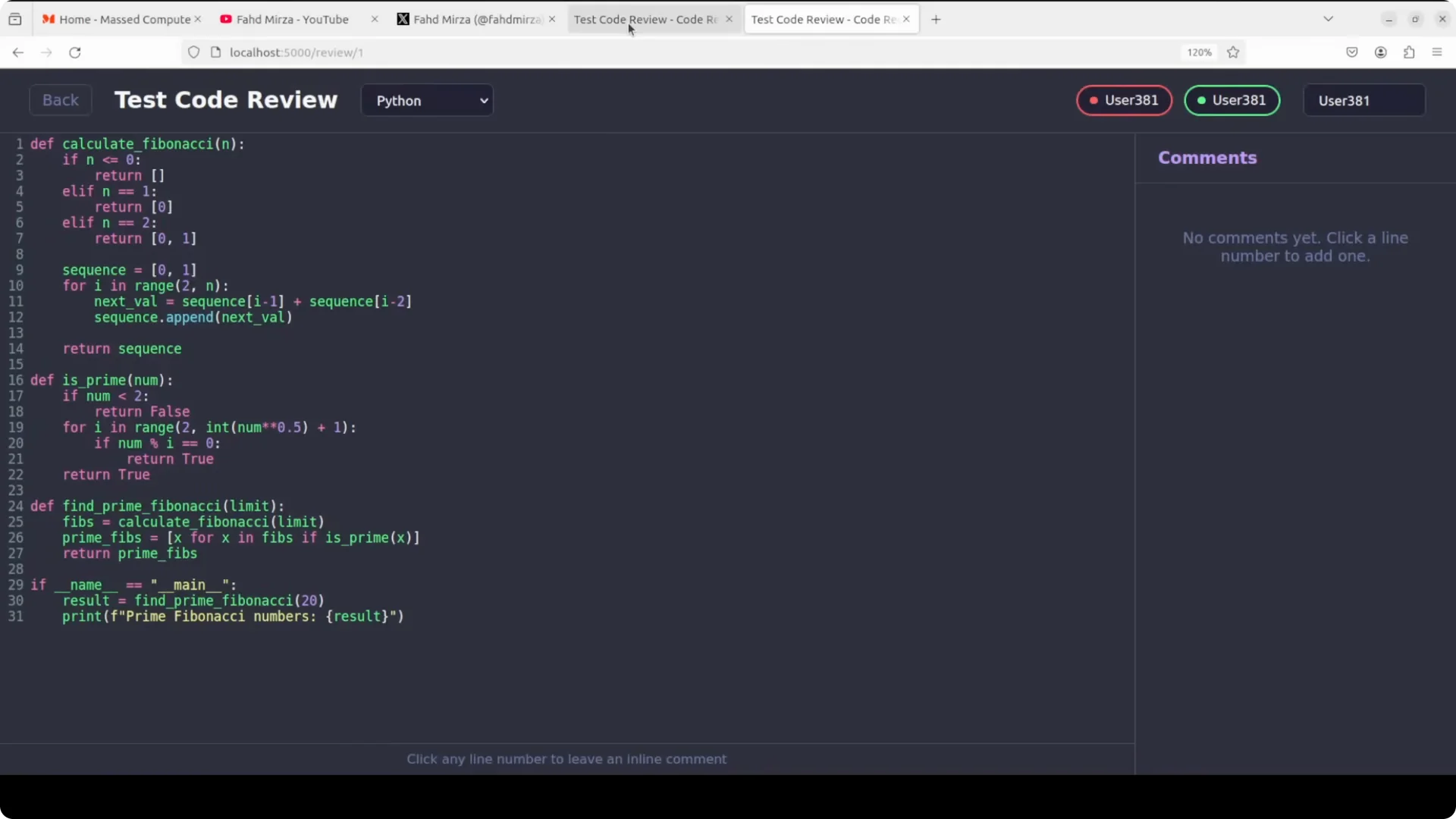
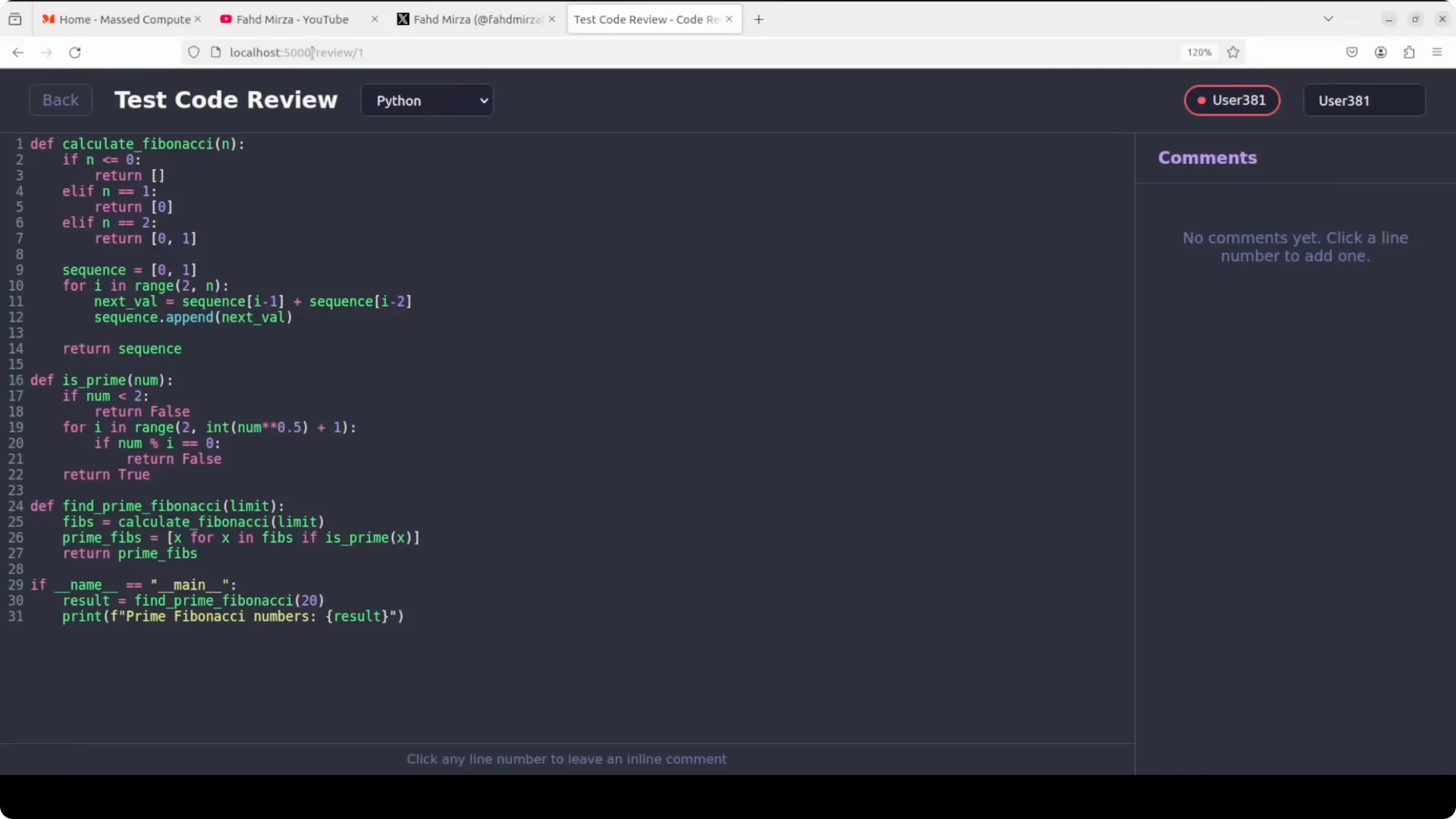
This was a very strong one pass build that met the websocket, database, and front end requirements.
Pros
- One shot setup with
setup.sh, requirements, and server start. - Real time edits and inline comments worked across two sessions.
- Clean UX and multiple language choices in editor.
Cons
- Minor polish still possible on UX states.
- No visible issue that blocked the core goals.
Qwen 3.6 Max Preview
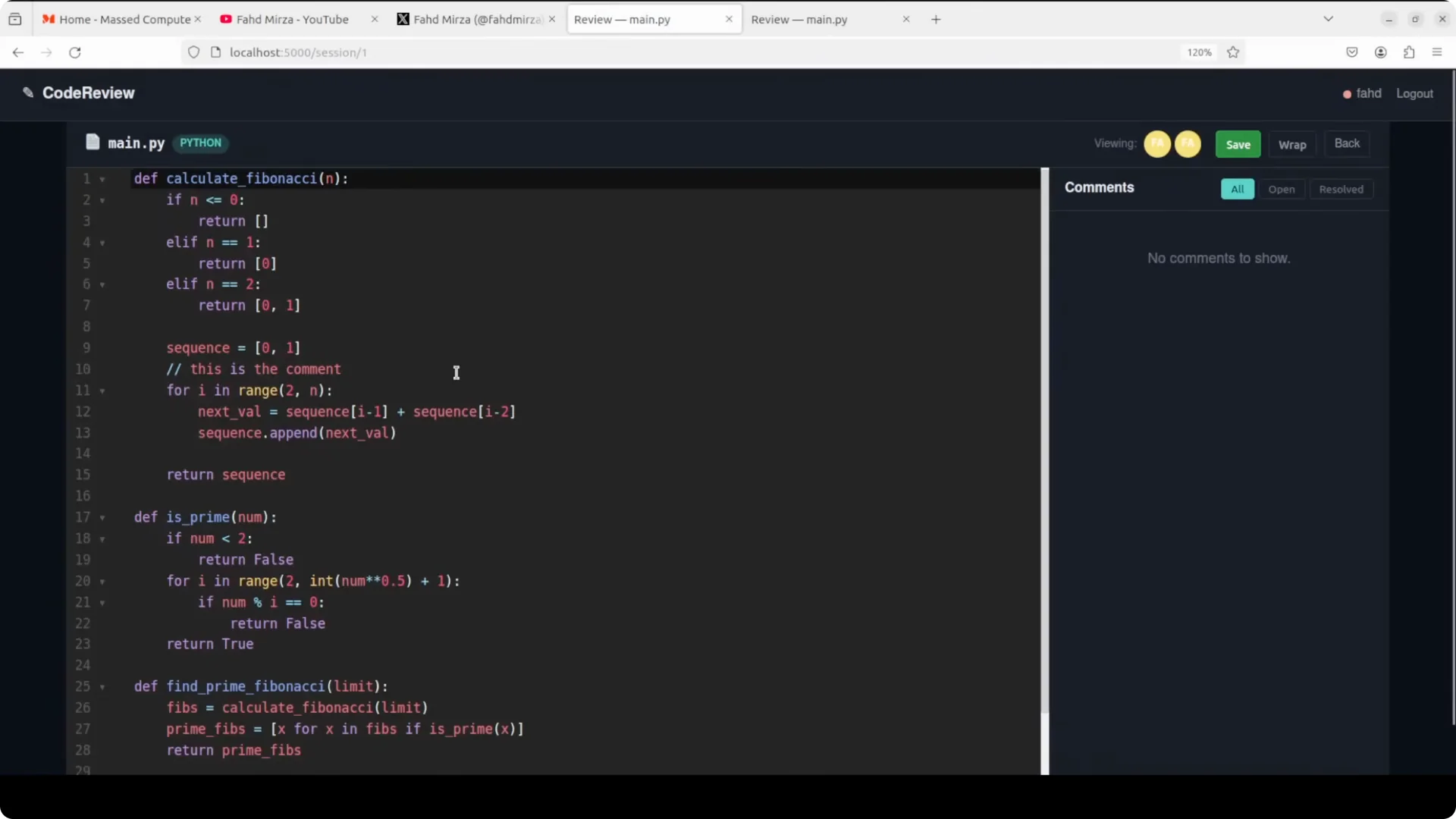
Qwen created the environment, installed dependencies, and launched on localhost. Session management felt solid and the interface looked better, with word wrap toggle and filters for open and resolved comments.
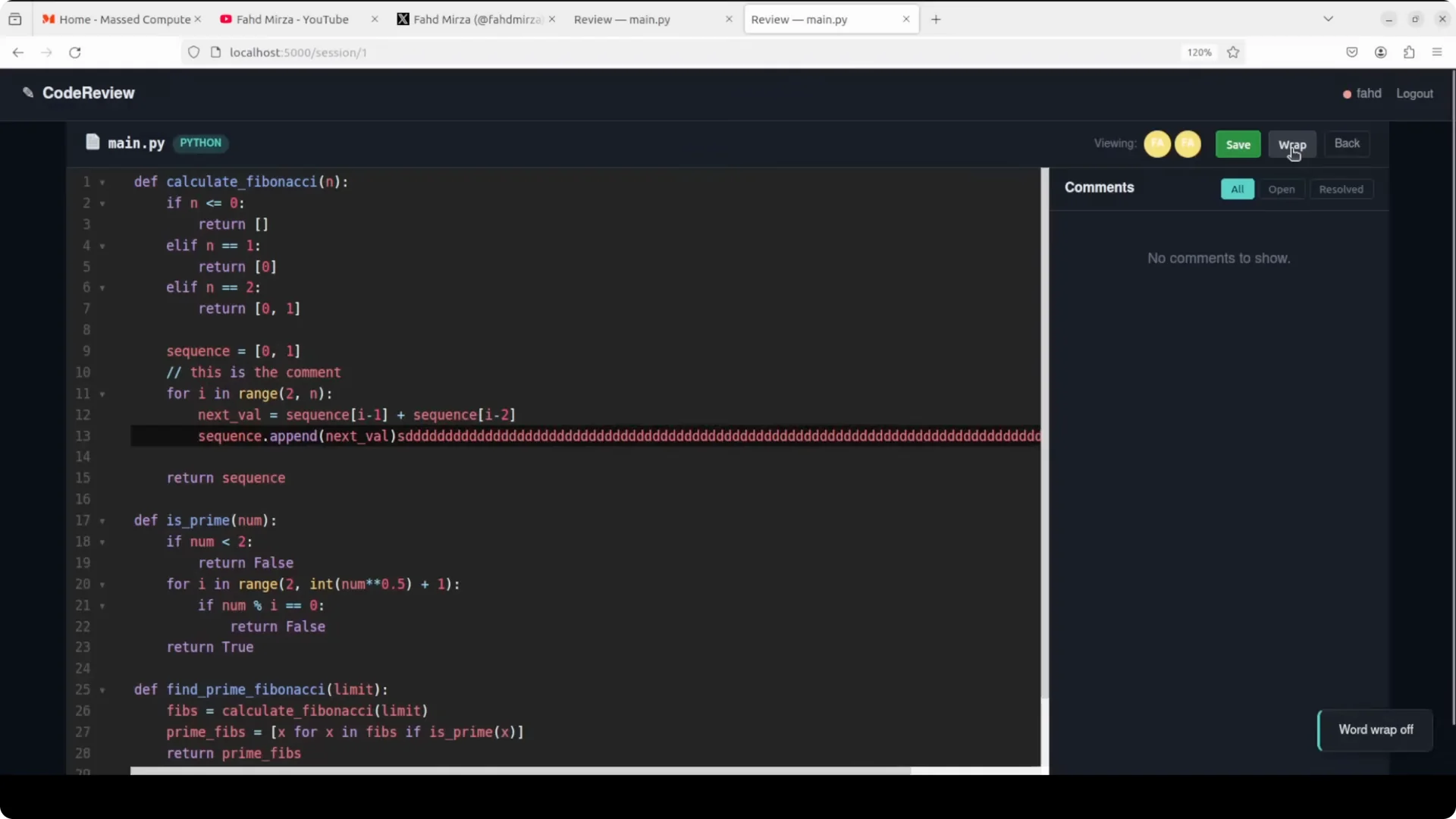
It was not fully real time. Changes appeared after refresh, which is a meaningful gap for this task.
Pros
- Clear session management and usable editor features like word wrap.
- Filters for open and resolved comments.
- Delivered a runnable app with a decent UI.
Cons
- Live sync lagged and often needed refresh.
- Inline comment propagation was slower than Kimi.
Xiaomi Myo V2.5 Pro
Myo started cleanly and worked end to end. Clicking line numbers opened a separate comment form, comments resolved correctly, and a dashboard tracked state across sessions.
Multi session was smooth and comment trails were clear, with real time appearance across tabs. In this test it edged Kimi by a small margin.
Pros
- Fast setup and immediate usability.
- Real time comments with resolve states and a dashboard trail.
- Best overall coding outcome in this round.
Cons
- Editor behavior separated comment entry from code pane which some teams may not prefer.
- Language task later was weak which lowers all around confidence.
DeepSeek V4 Pro
DeepSeek installed and served the app at localhost 5000. The editor was not editable in either of two attempts, so collaboration could not start.
Multi session also did not work in first go. Based on this strict run, it failed this specific coding task.
Pros
- Setup script executed and served without manual fixes.
- Strong planner in later tests.
Cons
- Non editable editor blocked the entire purpose of the app.
- Multi session did not work on first and second try.
If you are planning local work with this family, see how to run DeepSeek V4 Flash locally and GPU notes here: Flash model on GPU.
GLM 5.1
GLM did not follow the setup.sh instruction. After installing requirements, python app.py raised a syntax error.
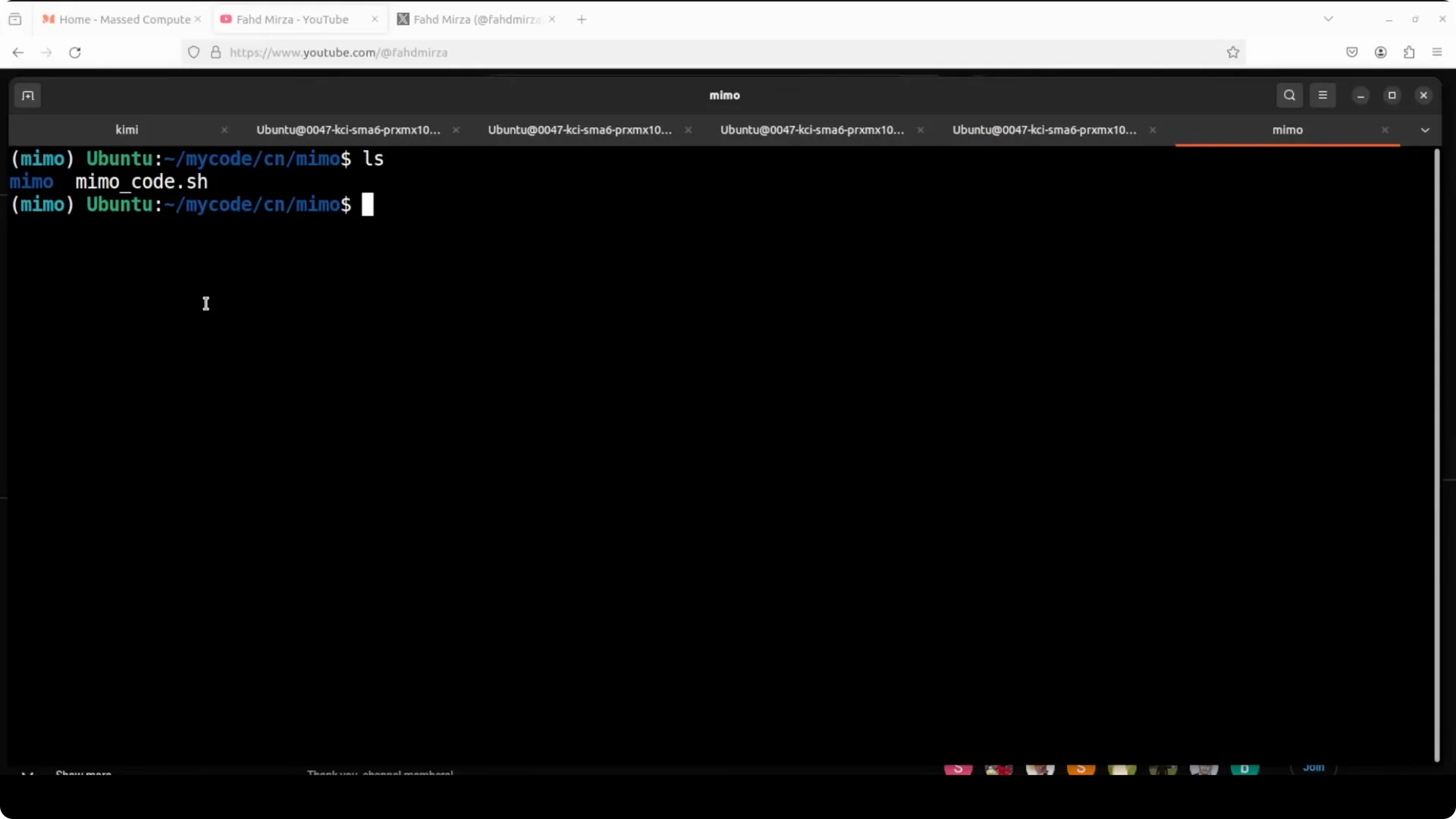
No edits were allowed, so this was a hard fail on the coding build.
Pros
- Later tests showed strong language depth.
- Long horizon tool use is the design goal.
Cons
- Did not follow one script setup instruction.
- Syntax error blocked any functional run.
MiniMax M2.7
MiniMax launched a UI that looked more comprehensive. Creating or saving a review did nothing, and CRUD operations failed.
Given the strict rules and no edits, it failed this build.
Pros
- Ambition showed in the UI surface.
- Self evolving training is an interesting claim.
Cons
- Create review and save did not work at all.
- Consumed credits quickly without progress.
Reasoning under pressure
The scenario was a journalist in Caracas at 11 pm with blocked bank cards, no cash, 40 percent battery, lost fixer, embassy closed due to a UK public holiday, and a need to leave faster than a flight the next evening. I asked for a complete step by step survival and extraction plan with specific locations and phone numbers. I looked for plans that navigate bureaucracy and blocked paths and that could truly save a life.
DeepSeek V4 Pro
Well structured with good phase breakdowns and specific addresses. Advice like leaving the hotel at 4 am without checkout and hiding in a McDonalds felt questionable, and the crypto ATM idea felt unreliable for Venezuela in a real emergency.
Competent but not exceptional, though the key numbers summary at the end was helpful.
Kimi 2.6
This was the most thorough and professionally formatted response. It included a contingency matrix, realistic flight schedules and routes, and cost breakdowns in USD and VES.
The insight that using the existing ticket might be the fastest exit was strong. Geographic knowledge showed in noting no true direct routes and realistic evening departure windows.
Qwen 3.6 Max Preview
Excellent operational structure. Spanish phrases to show on the phone were a standout practical touch, with Vienna Convention citation correct and CPJ and RSF contacts that exist for this scenario.
This felt like a plan a field producer could run with immediately.
GLM 5.1
The longest and most exhaustive output with many phone numbers, branches, and granular costs. It covered many contingencies clearly.
Not as tight as Kimi or Qwen on prioritization, but full of useful detail.
Xiaomi Myo V2.5 Pro
Clean and urgent with identity reframing from journalist to British tourist right at the start. Movement security and checkpoint guidance felt realistic.
Prioritization was on point and the steps were immediately actionable.
For agent style workflows and debugging ideas with DeepSeek, this applied walk through is useful: Hermes agent for Telegram bug fixing.
Read More: Claude coding comparison
Multilingual and cultural adaptation
I asked for a single 160 character SMS translated and culturally adapted into 80 plus languages. The goal was not word for word translation but emotionally authentic wording for a father seeking to reopen contact after 10 years, showing remorse without pressure.
DeepSeek V4 Pro
Solid and comprehensive with good cultural notes. The Japanese adaptation granting the child the right to resent was intelligent, and the Latin Ciceronian framing made sense.
Some notes felt formulaic, yet many adaptations read like the model actually knew the cultural context.
Kimi 2.6
The most emotionally sophisticated response. Korean hierarchy words were spot on, the Indonesian self reference felt right, and Cantonese word choices were carefully selected.
The Finnish note about maximum emotion in minimum words showed genuine cultural intelligence. Notes were consistently insightful rather than generic.
Qwen 3.6 Max Preview
Clean and consistent but a bit mechanical in parts. Good handling of Hindi formal versus informal register and a strong Persian term for duty failure.
Several notes repeated the same structure across languages and did not go as deep on low resource sets.
GLM 5.1
The most linguistically precise set. In Bosnian and Serbo Croatian, the choice of a term closer to betrayal fit a decade long estrangement.
Sindhi reframed failure as inability to provide support in a way that was genuinely beautiful, and Hawaiian avoided a western permanent defect concept thoughtfully.
Xiaomi Myo V2.5 Pro
It called out the task scale upfront, then skipped or gave literal outputs in places and fell into a loop on low resource languages. This was not competitive in this round.
Features breakdown
Xiaomi Myo V2.5 Pro
- Real time collaboration, comment resolution trail, and dashboard worked smoothly.
- Identity reframing and checkpoint guidance helped in crisis planning.
- Struggled on large multilingual outputs.
Kimi 2.6
- One shot coding build with working websockets, database, editor, and inline comments.
- Contingency matrix, realistic route and cost planning in VES and USD.
- Emotionally savvy cultural notes across languages.
Qwen 3.6 Max Preview
- Usable interface, good filters, session handling in the coding app.
- Field ready crisis plan with legal hooks and Spanish phrases.
- Language notes correct in parts but repetitive across sets.
GLM 5.1
- Design target for long tool chains and extended runs.
- Exhaustive crisis responses with numbers and branches.
- Exceptional linguistic precision and cultural choice.
DeepSeek V4 Pro
- Delivered a running server quickly but the editor was not usable.
- Competent and specific crisis response with a solid numbers summary.
- Strong cultural range in multilingual task.
MiniMax M2.7
- Ambitious UI surface for coding, but no working CRUD.
- Not enough signal in later tasks.
Use cases
- Xiaomi Myo V2.5 Pro: Rapid prototyping of collaborative review tools, internal dashboards with comment trails, and multi session code review for small teams.
- Kimi 2.6: Production friendly scaffolding for full stack prototypes, field planning for reporters and NGOs, and emotion centered content localization.
- Qwen 3.6 Max Preview: Crisis playbooks, legal aware travel and extraction briefings, and long context planning with operator ready checklists.
- GLM 5.1: Localization teams needing precise semantics, cultural adaptation review at scale, and editorial QA on nuanced phrasing.
- DeepSeek V4 Pro: Planning and research tasks, cultural note generation, and local experiments with the V4 family.
- MiniMax M2.7: Hold for future maturity once CRUD reliability improves.
If you are exploring the V4 stack on your machine or GPU, these notes help: run V4 Flash locally and Flash model on GPU.
Pros and Cons
Xiaomi Myo V2.5 Pro
- Pros:
– Best real time collaborative build and comment workflow.
– Clear multi session handling and resolution history.
- Cons:
– Weak performance on large multilingual task.
– Occasional literal outputs in language heavy prompts.
Kimi 2.6
- Pros:
– One shot working app with real time edits and comments.
– Most thorough extraction plan with costs in USD and VES.
– Emotionally intelligent cultural adaptations.
- Cons:
– Tiny UX nits in the coding app.
– Slight second to Myo in coding final polish.
Qwen 3.6 Max Preview
- Pros:
– Strong interface and session features.
– Field ready crisis plan with legal and NGO contacts.
- Cons:
– Needed refresh for real time sync.
– Cultural notes repeated across languages.
GLM 5.1
- Pros:
– Deep linguistic precision and cultural nuance.
– Exhaustive crisis outputs with many actionable contacts.
- Cons:
– Failed coding run due to missing setup script and syntax error.
– Prioritization not as tight as Kimi or Qwen.
DeepSeek V4 Pro
- Pros:
– Quick server start, no manual fixes.
– Solid structure and useful summaries in planning tasks.
- Cons:
– Non editable editor in coding test blocked progress.
– Some questionable crisis moves like crypto ATM and hiding spots.
MiniMax M2.7
- Pros:
– Ambitious UI ambition.
- Cons:
– CRUD did not work, create review failed.
– Credit usage high with little outcome.
How I ran it
- Kimi, Qwen, MiniMax, DeepSeek expected flow:
bash setup.shthen auto serve on port 5000. - GLM path:
pip install -r requirements.txtthenpython app.pywhich raised a syntax error. - No edits, no patching, and I ran local Ubuntu server tabs with separate virtual environments.
For more on DeepSeek family comparisons and context, see this match up: earlier benchmark notes.
Final Conclusion
- Coding winner: Xiaomi Myo V2.5 Pro, with Kimi 2.6 very close second and Qwen 3.6 Max solid but not fully real time.
- Reasoning winner: Qwen 3.6 Max for operational clarity, with Kimi 2.6 and Xiaomi Myo close behind, and DeepSeek competent.
- Multilingual winner: GLM 5.1 for linguistic precision, with Kimi 2.6 best on emotion, DeepSeek strong, Qwen serviceable, Xiaomi weak.
Pick Xiaomi Myo if you want a one pass working collaborative app today. Pick Kimi 2.6 for thorough planning and emotionally tuned localization with strong coding output. Pick Qwen 3.6 Max for high stakes playbooks and legally aware field execution.
Choose GLM 5.1 for language heavy work where word choice and culture matter most. DeepSeek remains valuable for planning and research, and you can explore deployment paths here: local V4 Flash and GPU setup notes.